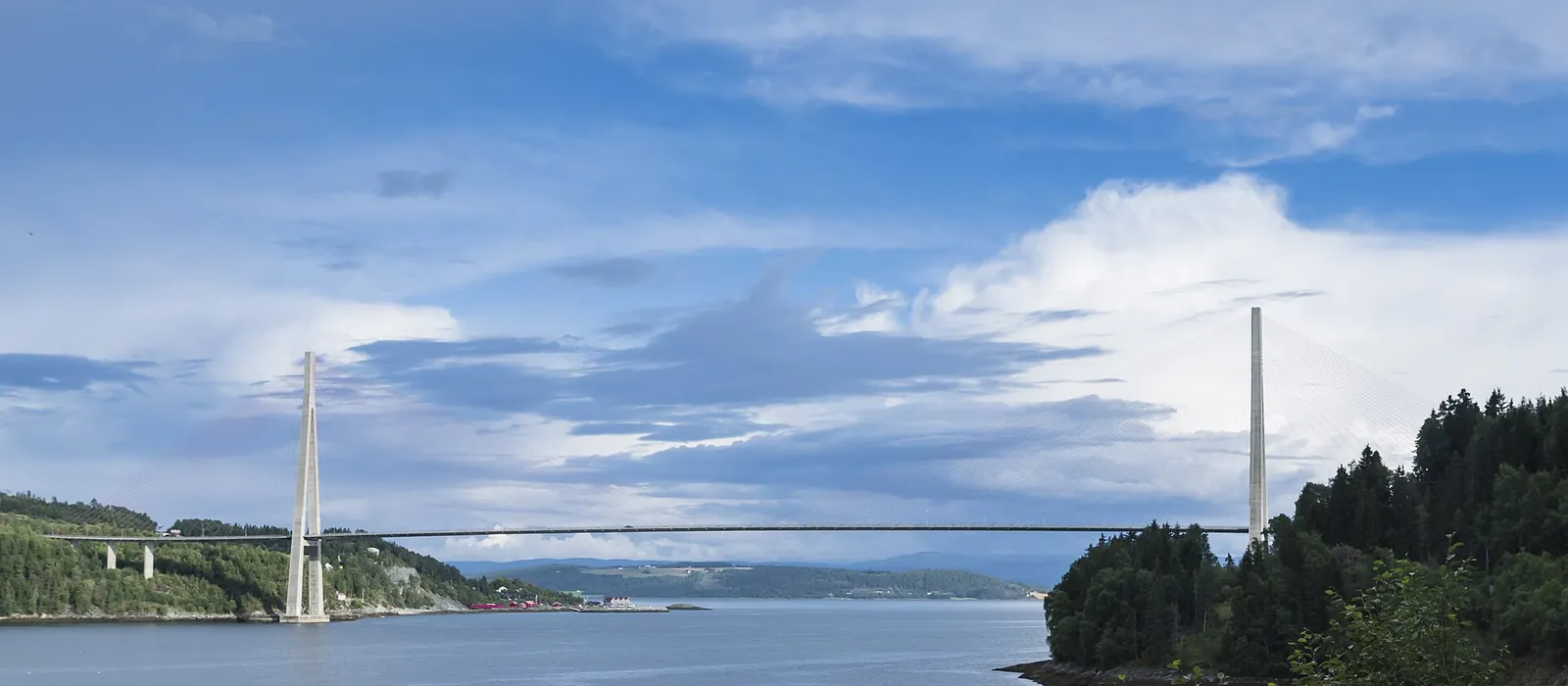
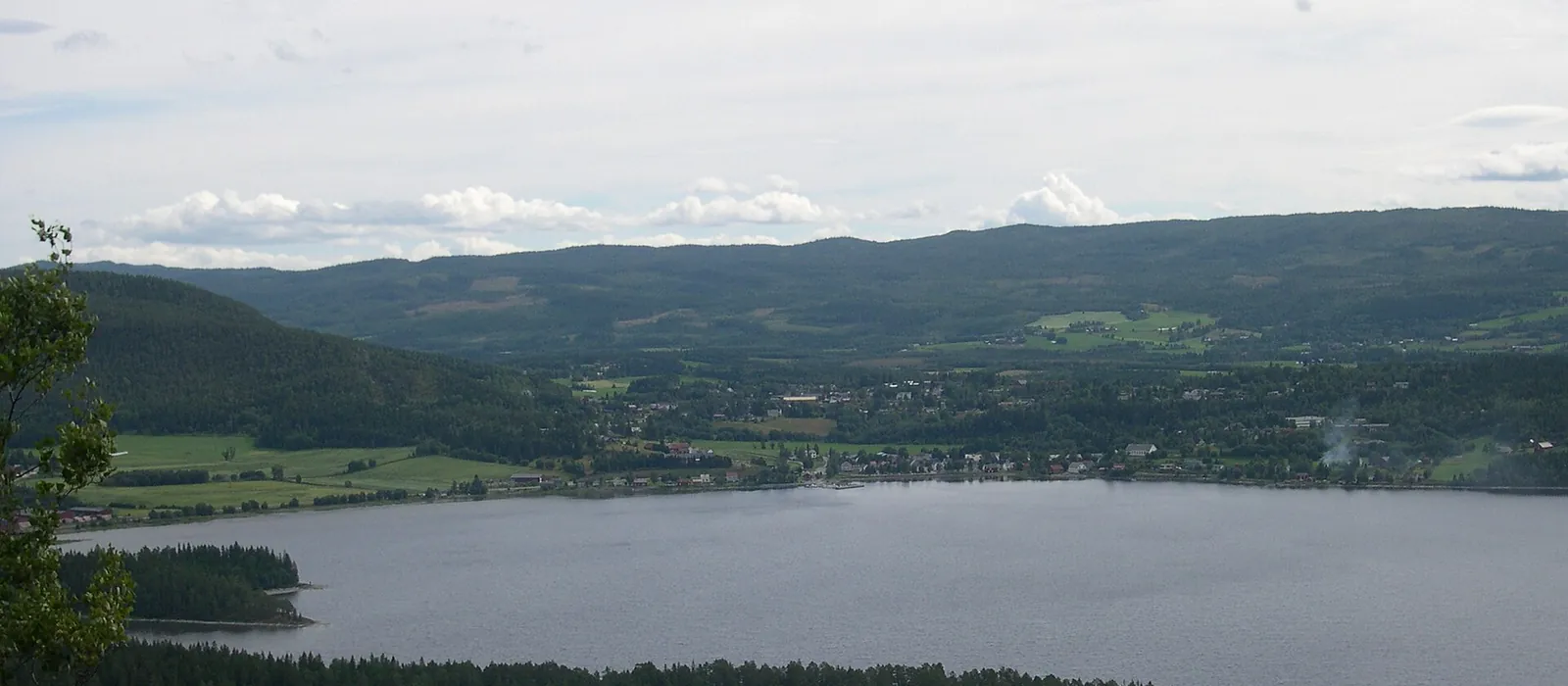
About an hour and a half from Trondheim, the Inderøy peninsula brings together medieval churches, sculptures by Nils Aas, farms open to visitors and views over the Trondheimsfjord. What you need to know to spend a day there, every piece of information checked at the source.
A small rural municipality at the end of Lake Snåsavatnet, a centre of South Sámi language and culture, with nearly half of its land protected. Every piece of information is checked at the source.
At the head of the Beitstadfjord, a small town rebuilt after the bombing of April 1940, surrounded by rock carvings, burial mounds and forests. Every piece of information is checked at the source.
The numbers to know, how to get around, everyday services and what is worth seeing in Trondheim, Norway's third-largest city. Opening hours and numbers checked with the organisations themselves.
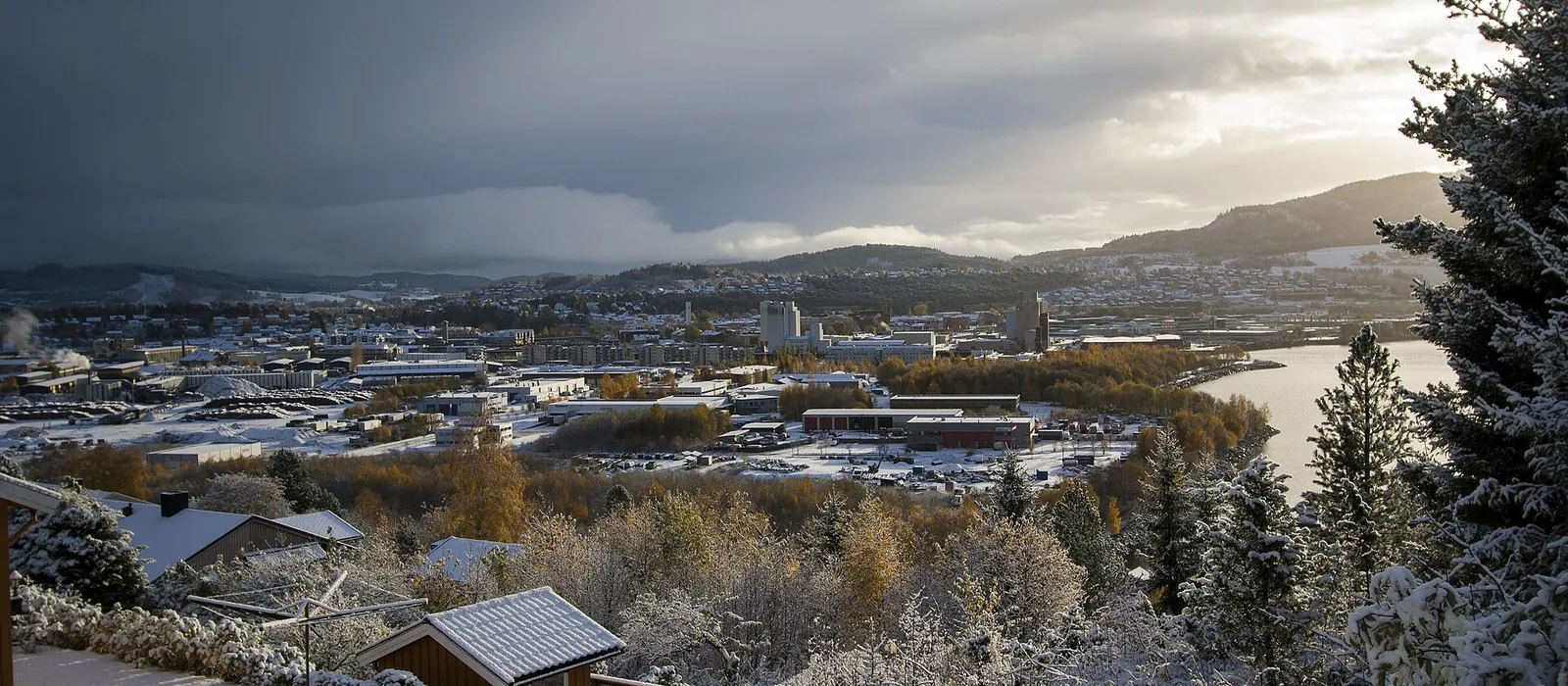
The municipality where King Olav fell in 1030, an industrial town on the Trondheimsfjord, with a valley climbing to the Swedish border. Every piece of information is checked at the source.
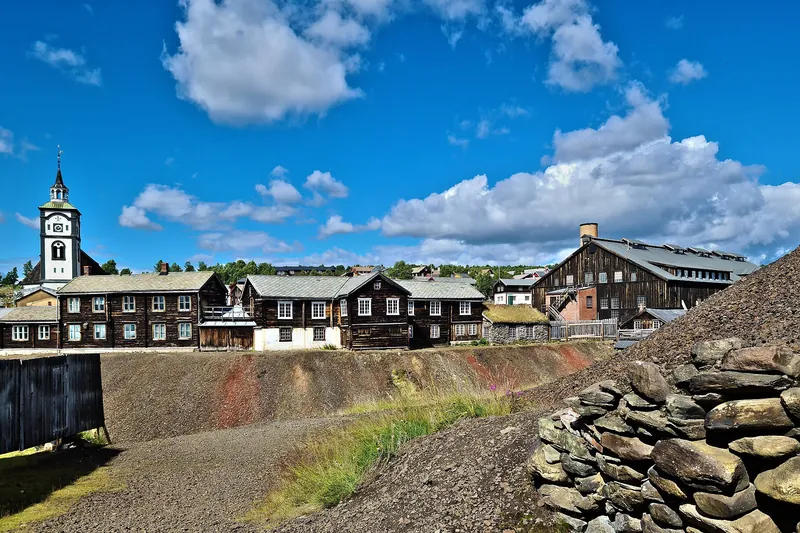
A mining town where copper was extracted from 1644 to 1977, listed as UNESCO World Heritage in 1980. Streets of wooden houses, a white church and slag heaps; one of the coldest towns in Norway in winter. Big winter fair, Rørosmartnan, every year in the second half of February.
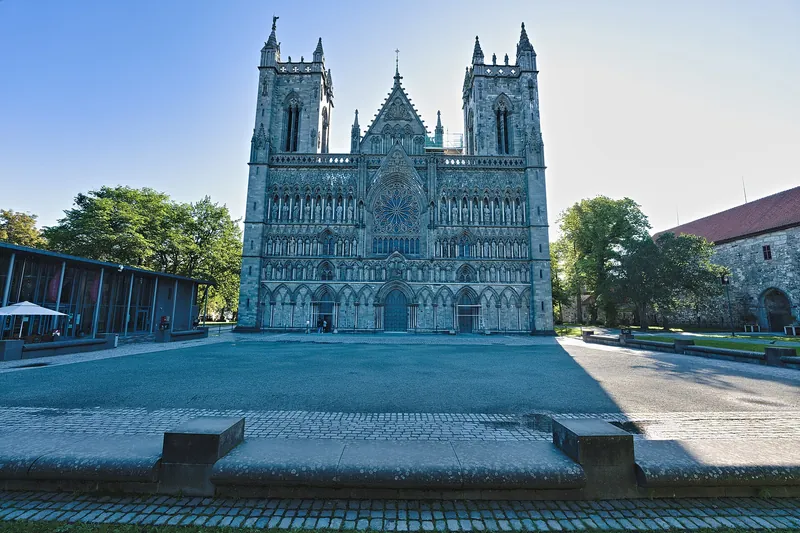
Nidaros Cathedral (Nidarosdomen)
Begun around 1070 over the tomb of Saint Olav, it is the northernmost of Europe's great medieval cathedrals and where Norway's kings are consecrated. Climb the tower in summer.
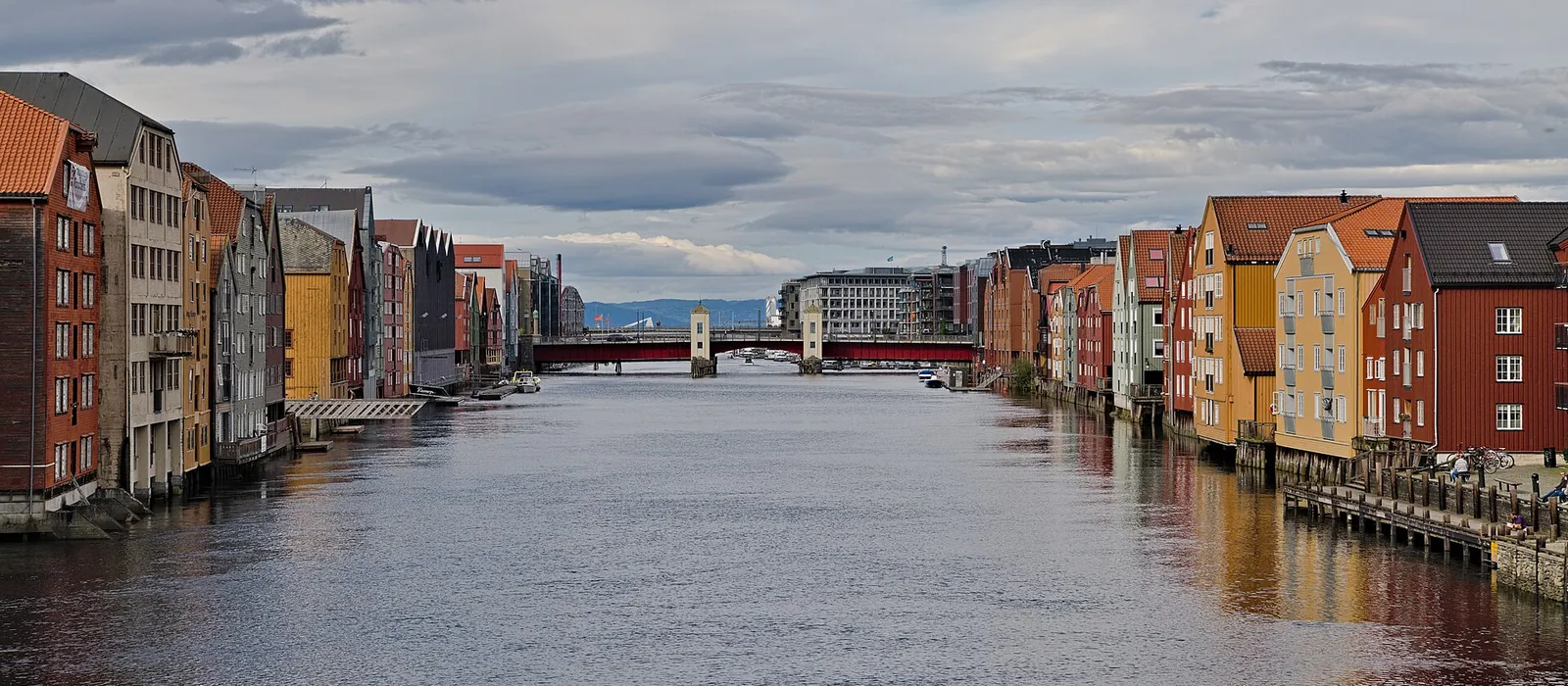
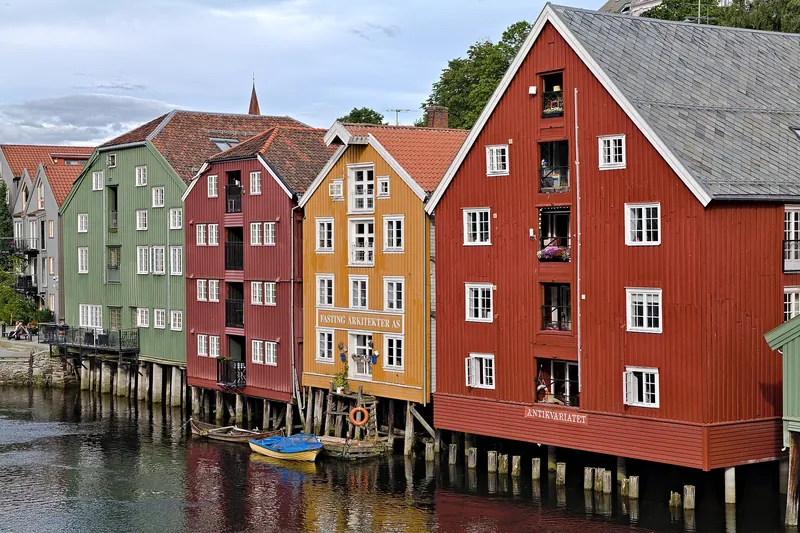
Old Town Bridge and Bakklandet
The red wooden bridge (Gamle Bybro, 1861) leads to the Bakklandet district, with its wooden houses and cafés. From the bridge, the best view of the colourful warehouses (Bryggene) along the Nidelva.
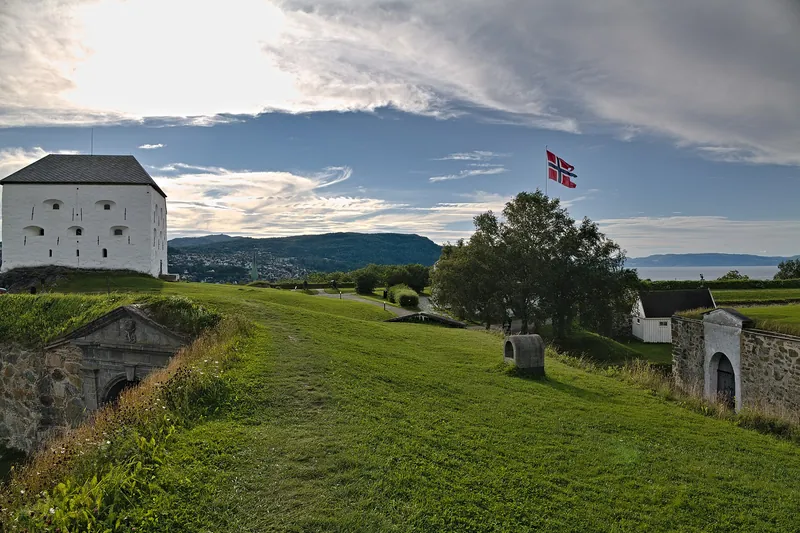
Kristiansten Fortress
Built after the great fire of 1681 on the hill above the city. The grounds are freely accessible and give one of the finest views over Trondheim and its fjord.
Stiklestad, Verdal
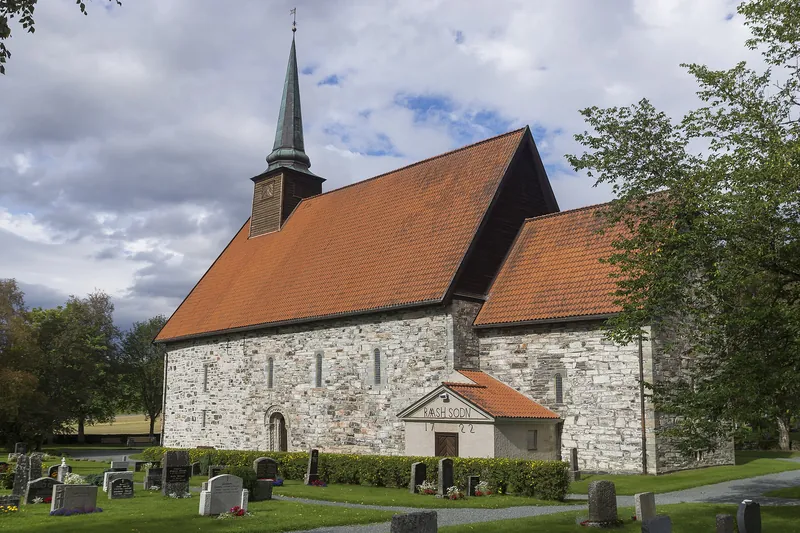
The battlefield where King Olav Haraldsson was killed on 29 July 1030, before being recognised as Saint Olav. Cultural centre, medieval church, and every summer the open-air play "Spelet om Heilag Olav".
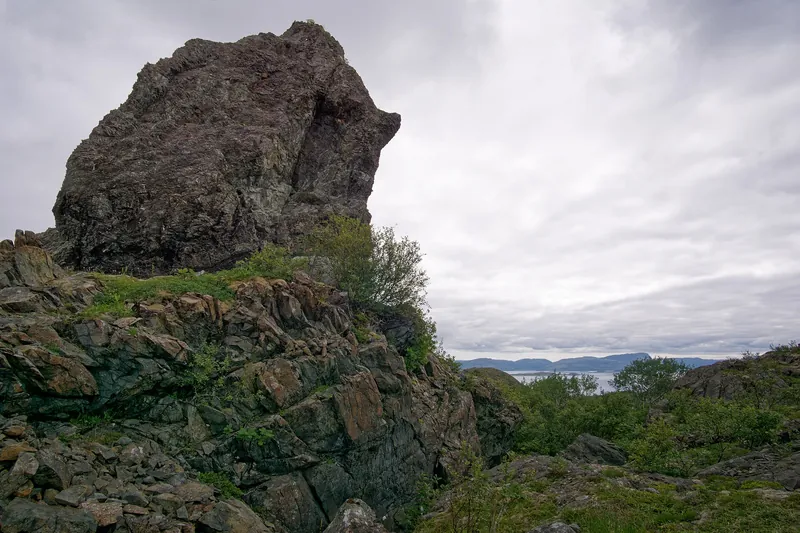
Leka
An island in northern Trøndelag, reached by ferry from Gutvik. Its bedrock is a slice of oceanic crust some 497 million years old, where rocks from the Earth's mantle reach the surface: Leka has been a national geological monument since 2010, hence the bare landscape of its west coast. At Skei, Herlaugshaugen is one of the largest burial mounds in Norway. The municipal coat of arms recalls a girl reportedly carried off by an eagle in 1932.
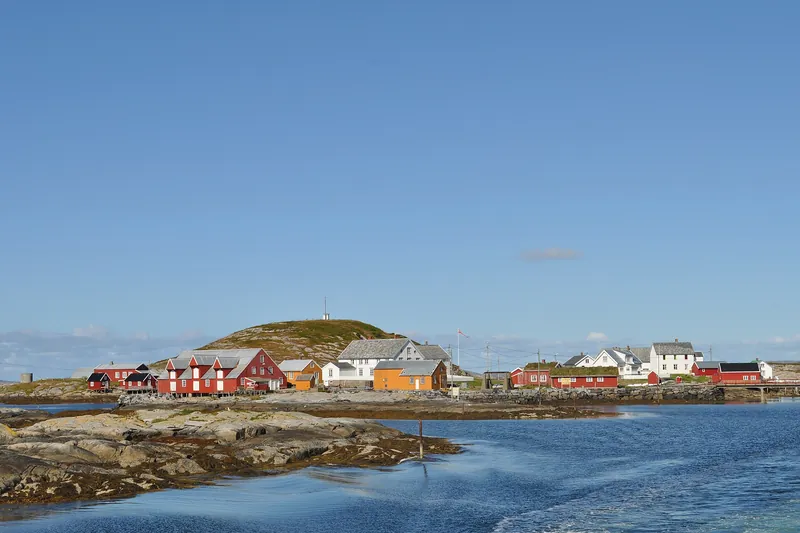
Sør-Gjæslingan
About 25 km southwest of Rørvik, on the edge of the Folda sea, this was the largest fishing village on the Namdal coast, with up to 4,000 fishermen during the skrei season. Abandoned in the 1970s, it is now a protected site run by Kystmuseet Norveg, which welcomes visitors from May to August and rents out rorbu cabins. Express boat from Rørvik and Namsos; timetables on atb.no.
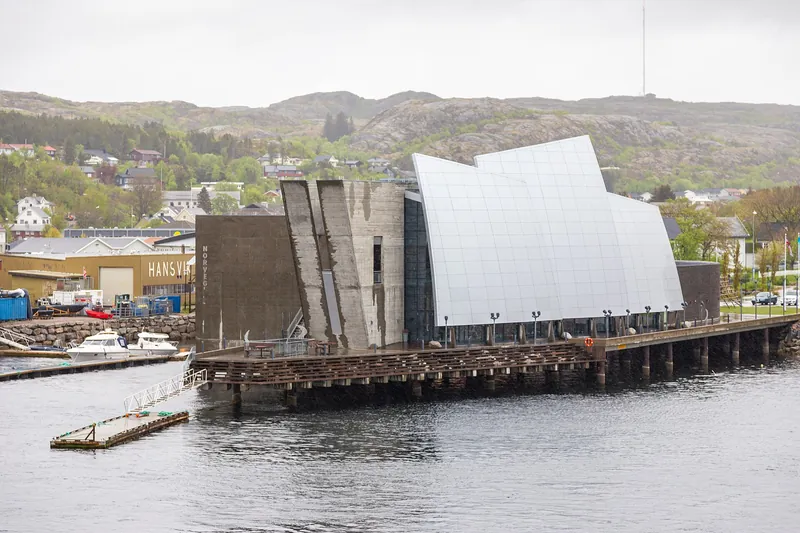
The administrative centre of Nærøysund and a Hurtigruten port of call, Rørvik is home to Kystmuseet Norveg. Its harbourside building, designed by the architect Guðmundur Jónsson and opened in 2004, traces 10,000 years of coastal life, from the Stone Age to fish farming. Nearby, the Berggården trading house, founded in the late 1870s, keeps a shop left almost untouched since it closed in the late 1960s.