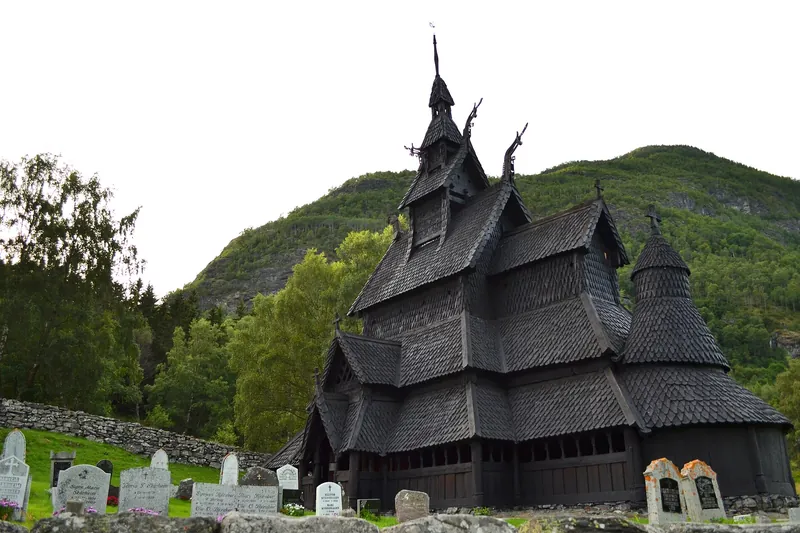
Borgund Stave Church
Built around 1180, it is the best preserved of the country's stave churches, almost unchanged since it was built, with dragon heads on its gables. On the E16 road between Oslo and Bergen.
All guides › Vestland · County news · What's on
Fjord country: Bergen, the Sognefjord, the Hardangerfjord and the Jostedal glacier.
Information checked on 10 October 2026.
Built around 1180, it is the best preserved of the country's stave churches, almost unchanged since it was built, with dragon heads on its gables. On the E16 road between Oslo and Bergen.
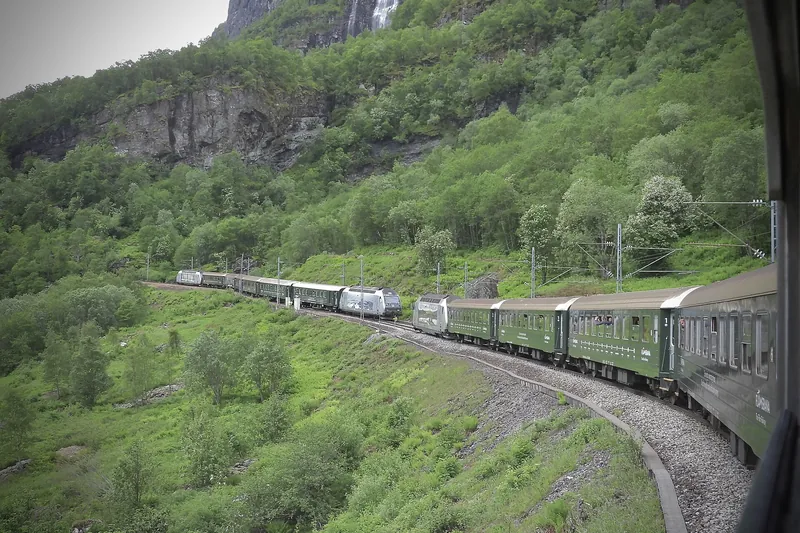
The Flåm train runs down from Myrdal, on the Oslo–Bergen line, to the head of the Aurlandsfjord: 20 km and more than 860 m of descent, the steepest railway in Norway. The Aurlandsfjord is an arm of the Sognefjord, the country's longest fjord (over 200 km).
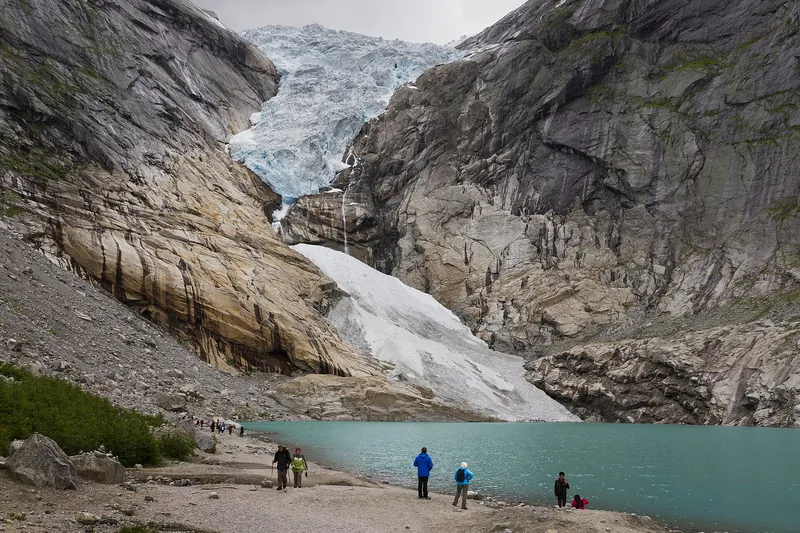
The largest glacier in mainland Europe. Its Bøyabreen arm can be seen from the road; Briksdalsbreen is reached by a trail of about 3 km. Only walk on the ice with an authorised guide. The Norwegian Glacier Museum is in Fjærland.
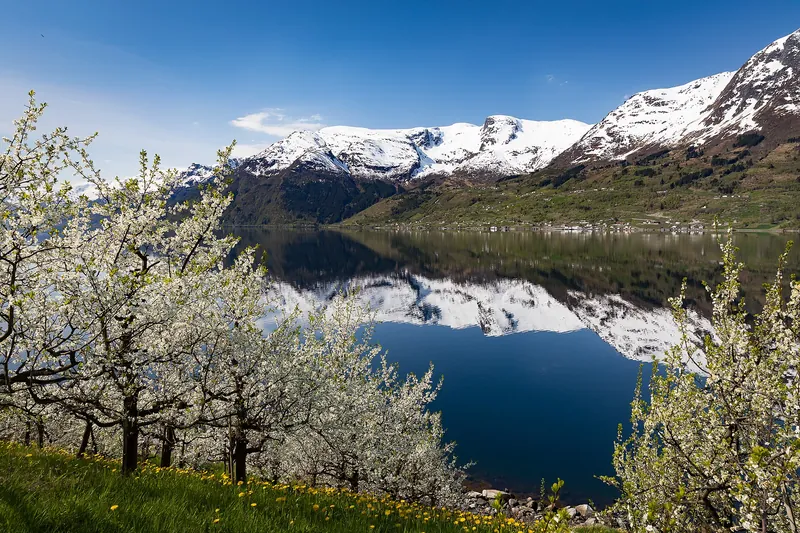
The country's second-longest fjord, known for its orchards: apple and cherry trees blossom in May, and Hardanger cider has a protected designation. The Folgefonna glacier rises above it.
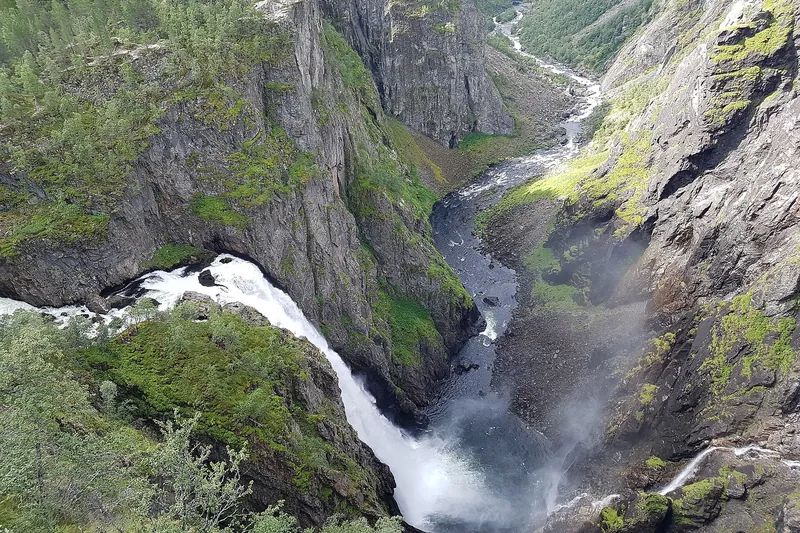
A waterfall with a total drop of about 180 m, at the end of the Måbødalen valley, on Route 7 between Eidfjord and the Hardangervidda. A stepped footbridge spans the gorge.
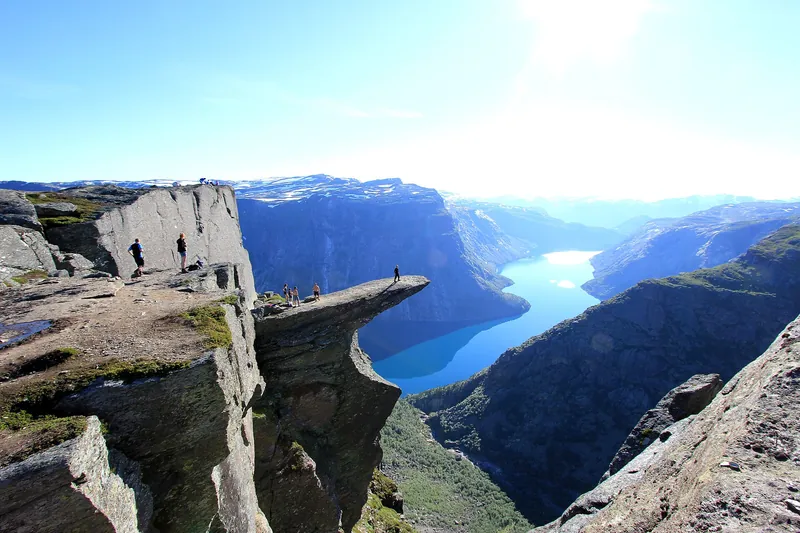
A tongue of rock jutting out about 700 m above Lake Ringedalsvatnet, near Odda. A long and hard hike: about 27 km and 10 to 12 hours return from Skjeggedal (P2), or 20 km from Mågelitopp (P3); without a guide from June to September only.
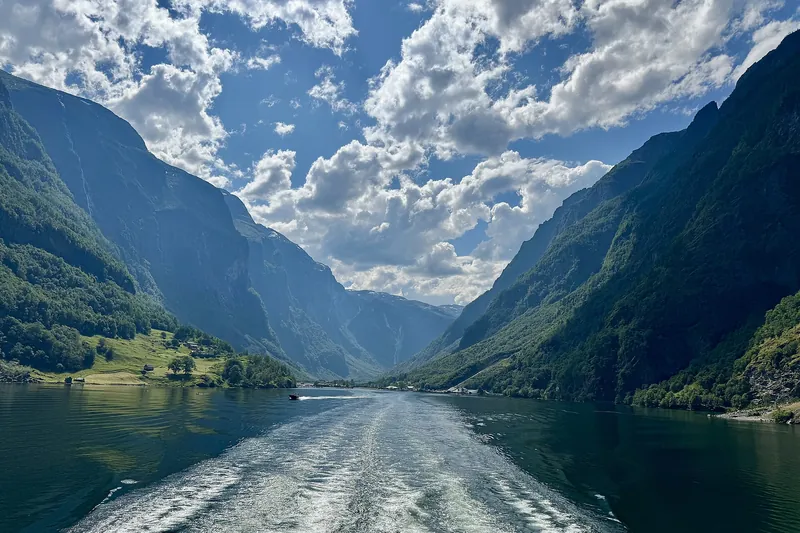
One of the narrowest fjords in Europe, just 250 m wide in places, UNESCO-listed together with the Geirangerfjord. Above Aurland, the Stegastein viewpoint juts 30 m out into the air, 650 m above the Aurlandsfjord.
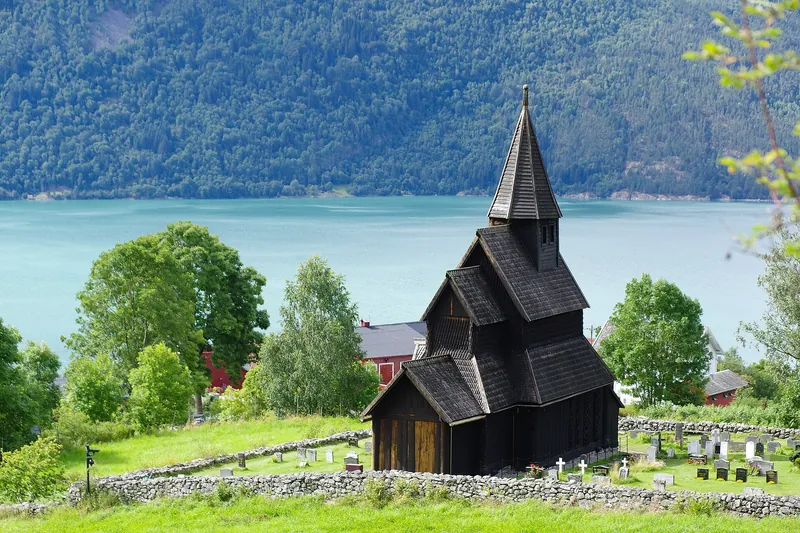
The oldest stave church in the country, from around 1130, and the only one on the UNESCO World Heritage List (1979). Its carvings of intertwined animals gave their name to the "Urnes style". Reached by the ferry from Solvorn, on the Lustrafjord.
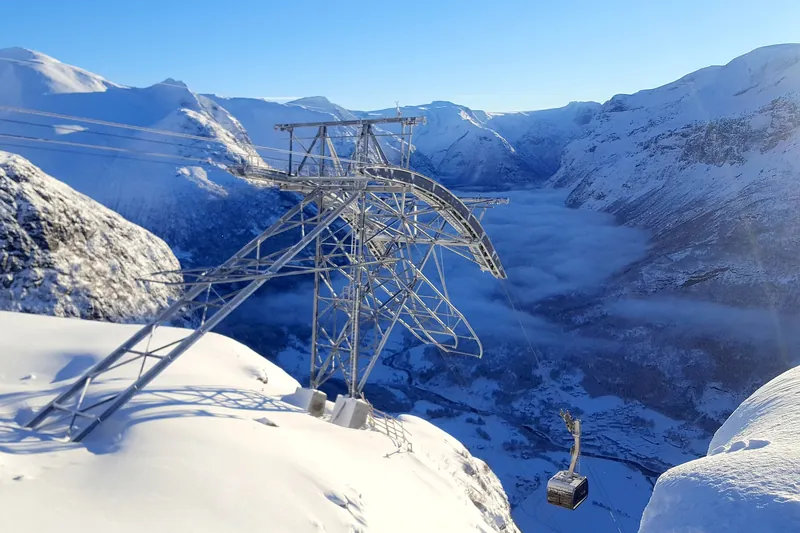
At the head of the Nordfjord, a cable car has climbed Mount Hoven, at 1,011 m, in a few minutes since 2017. Nearby is Lovatnet, a milky-green glacial lake at the foot of the Jostedalsbreen.
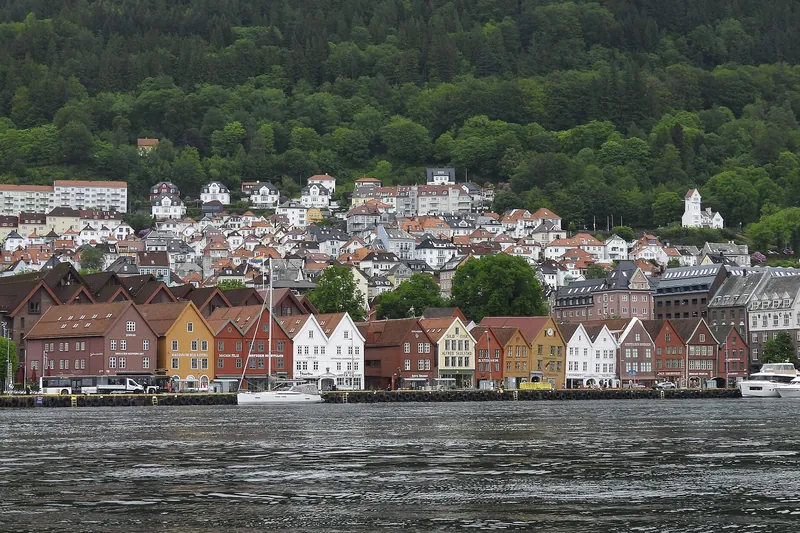
The Hanseatic wharf, a row of gabled wooden buildings along Vågen harbour, listed as UNESCO World Heritage in 1979. You can wander freely through the passages between the buildings.
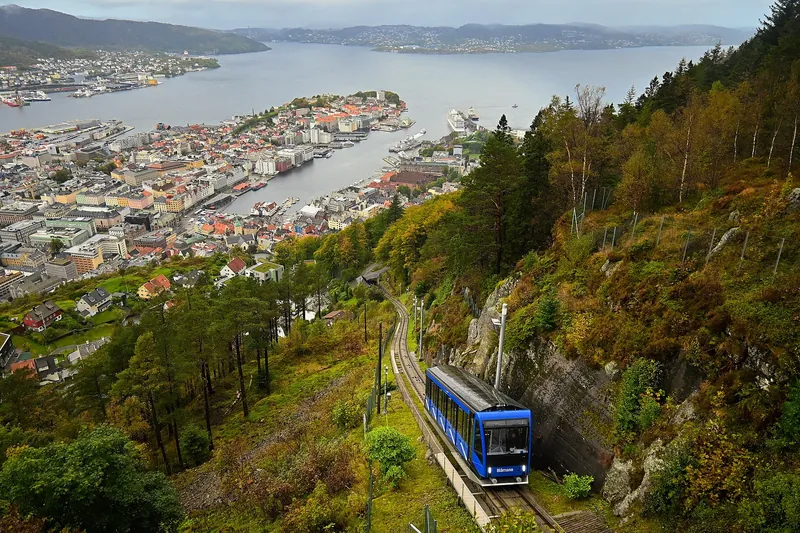
From the centre it climbs in a few minutes to 320 m on Mount Fløyen, with a view over the whole city. Trails and lakes at the top; you can walk back down.
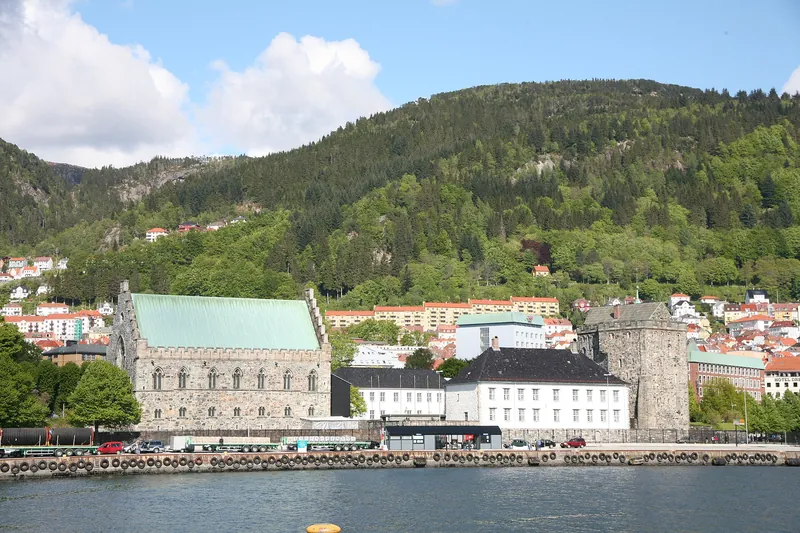
At the harbour entrance, the royal fortress: Håkon's Hall, a great stone hall completed around 1261 for King Håkon Håkonsson, and Rosenkrantz Tower, rebuilt in the 1560s.
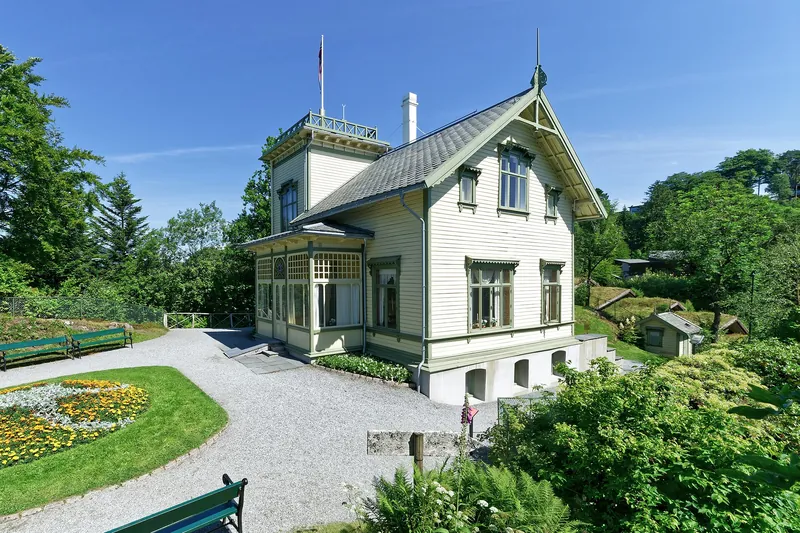
The home of the composer and his wife Nina, by Lake Nordåsvannet south of the city. The house is being restored until summer 2027, but the grounds, the composing hut and the summer concerts in the Troldsalen hall remain open.
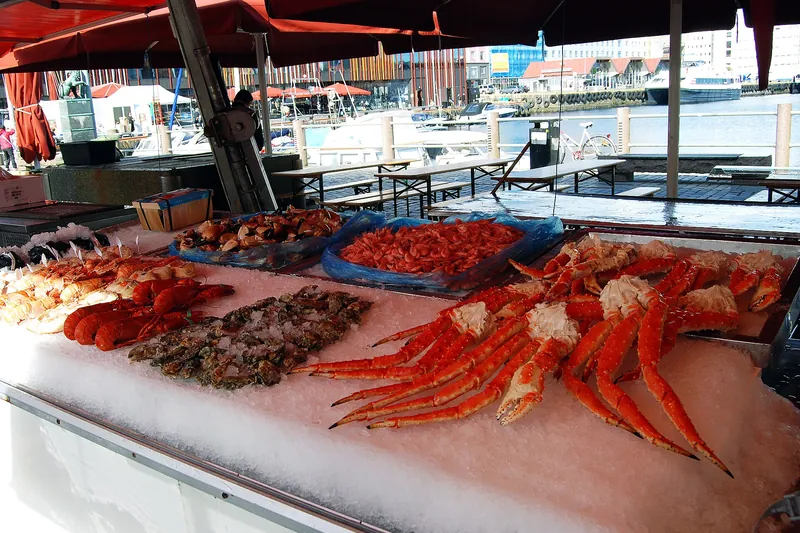
At the head of Vågen harbour, a market since the 13th century: open-air fish and seafood stalls, and a covered hall (Mathallen) open all year.
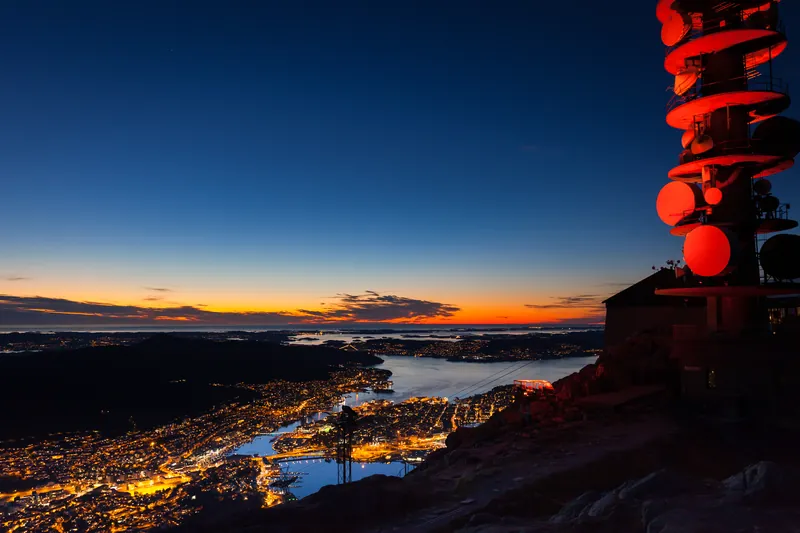
The highest of Bergen's seven mountains, at 643 m, with a cable car. Keen walkers link Fløyen and Ulriken on the Vidden hike, about 15 km across the plateau.
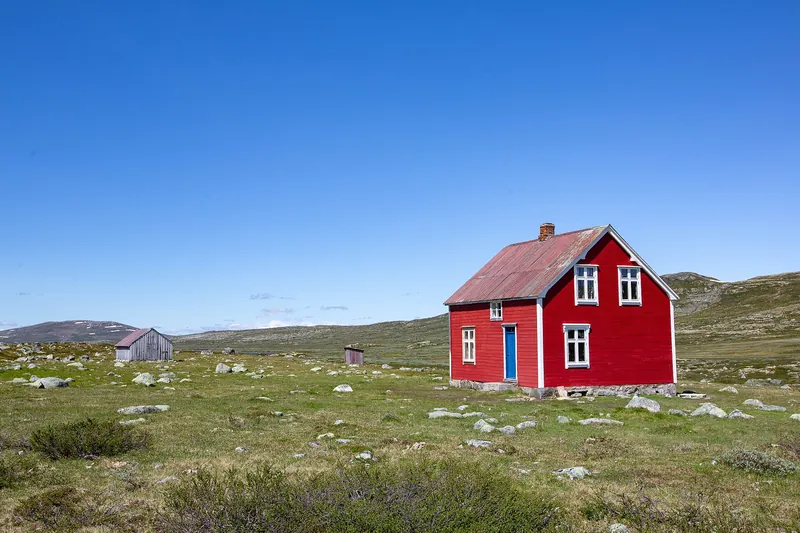
Europe's largest mountain plateau, about 8,000 km², of which 3,422 km² form the largest national park in mainland Norway. It is home to Europe's largest wild reindeer herd; the Oslo–Bergen railway and Route 7 cross it.