What is worth the trip in each of the country's main regions, from Oslo to Svalbard: towns, fjords, stave churches, national parks and the Far North. For your weekends, your holidays and when family comes to visit. Every piece of information is checked at the source.
Information checked on 10 October 2026.
Oslo
Founded around 1048 at the head of its fjord and rebuilt by Christian IV after the fire of 1624 under the name Christiania, the capital took back the name Oslo in 1925.
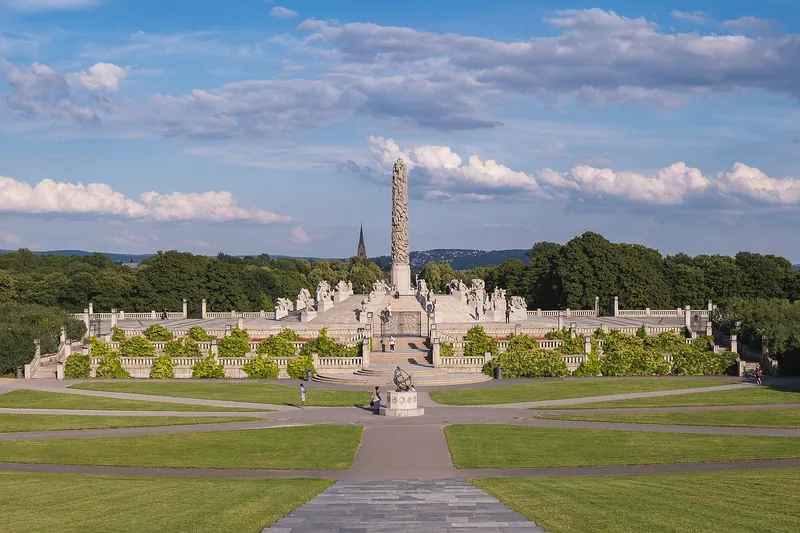
Vigeland Park (Vigelandsparken)
More than 200 sculptures by Gustav Vigeland in bronze, granite and wrought iron, the fruit of forty years' work, in the heart of Frognerparken. The Monolith, carved from a single block of granite, brings together 121 figures. Open around the clock, all year, and free.
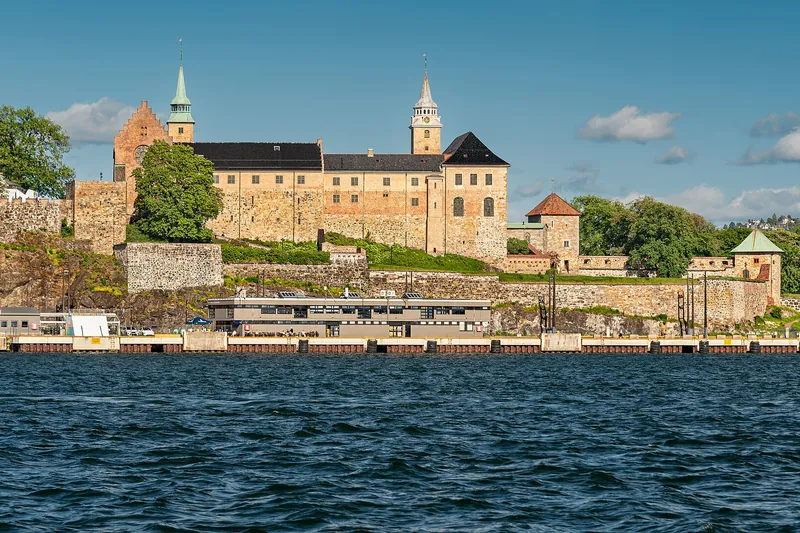
Akershus Fortress
A medieval castle built around 1300 under King Håkon V and turned into a Renaissance residence by Christian IV. The site is still military, but its grounds are open to the public free of charge, with a fine view over the harbour and the City Hall.
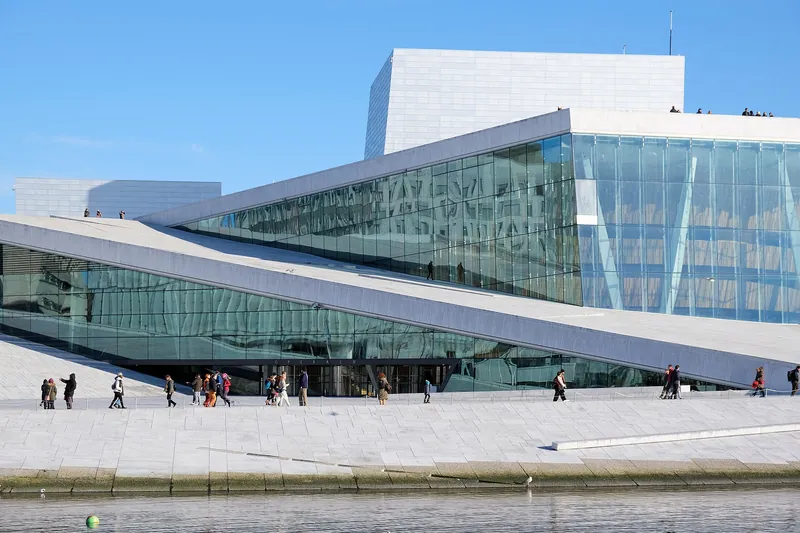
The Opera House (Operahuset)
Opened in 2008 and designed by the Snøhetta studio. You can walk freely on its white marble roof, which slopes down to the water of the fjord.
Holmenkollen
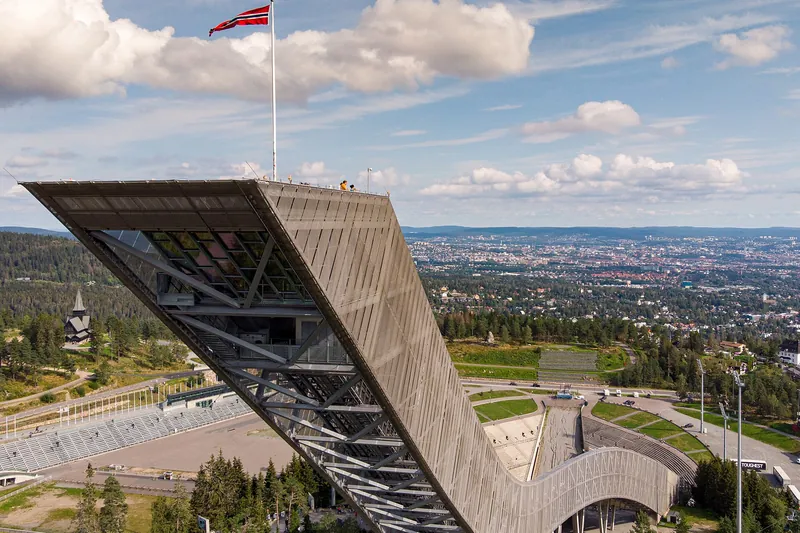
The ski jump on the hills above the city has hosted competitions since 1892; the current one dates from 2010. At its foot is the Ski Museum, and at the top a viewing platform over Oslo and its fjord. Reached by metro (line 1).
The Bygdøy museums
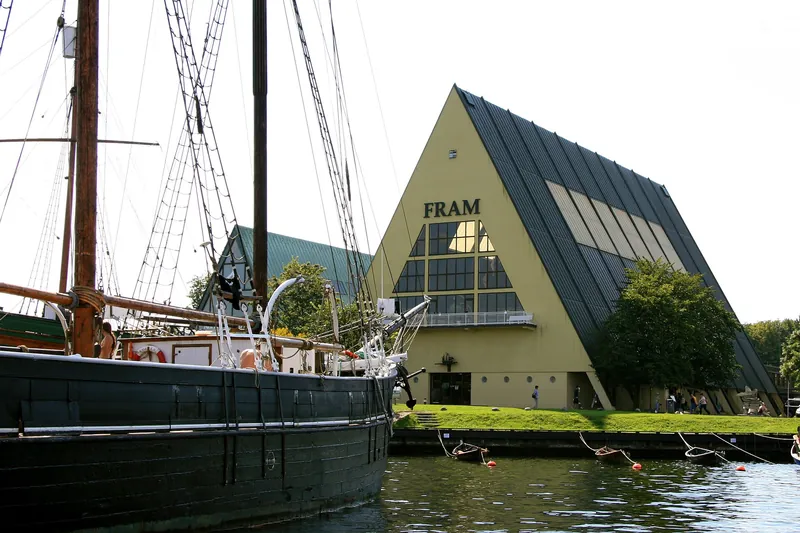
On the Bygdøy peninsula: the Fram, the polar ship of Nansen and Amundsen; the Kon-Tiki, Thor Heyerdahl's raft (1947); and the open-air Norwegian Folk Museum with its Gol stave church. The Viking Ship Museum is closed and due to reopen in 2027 as the Museum of the Viking Age (Vikingtidsmuseet).
The mildest and most farmed part of the country, from the Swedish border to the Telemark mountains: fortified towns, timber-floating rivers and the birthplace of hydroelectric industry.
Fredrikstad Old Town (Gamlebyen)
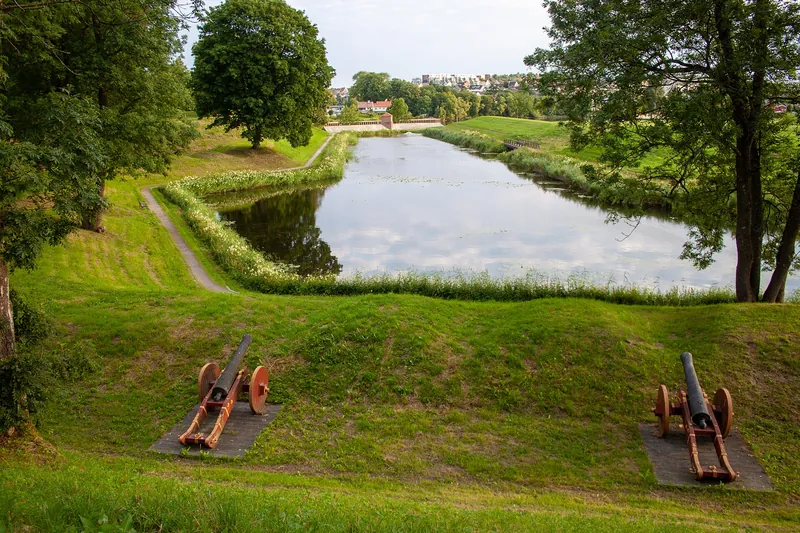
A 17th-century fortified town, still ringed by its ramparts and moats, and still lived in. A small free ferry links Gamlebyen with the centre across the Glomma river.
Fredriksten Fortress, Halden
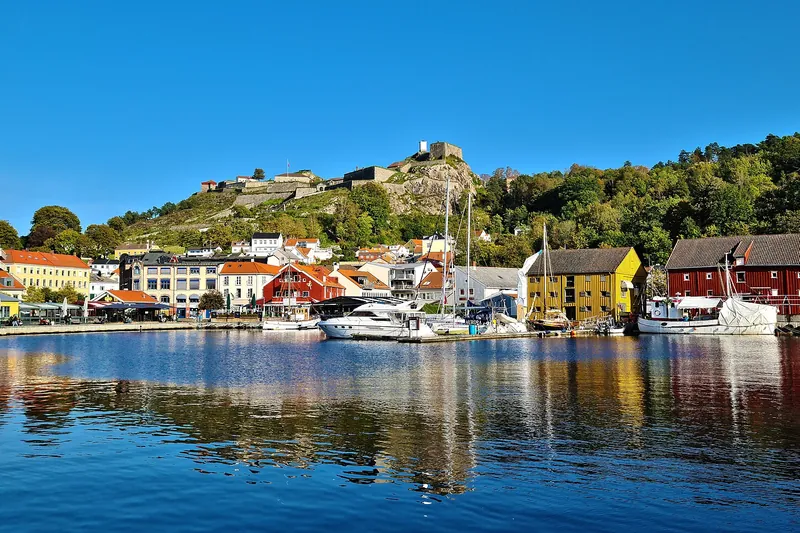
Above Halden, near the Swedish border. King Charles XII of Sweden was killed here in 1718 while besieging it. The grounds are freely accessible, with views over the town and the Iddefjord.
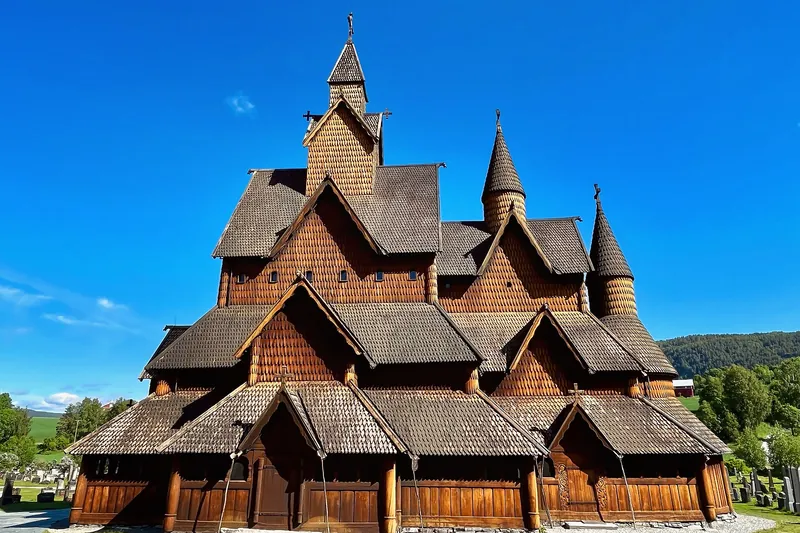
Heddal Stave Church
Norway's largest stave church, built in the Middle Ages (probably the 13th century) near Notodden. It is still a parish church; tours in summer.
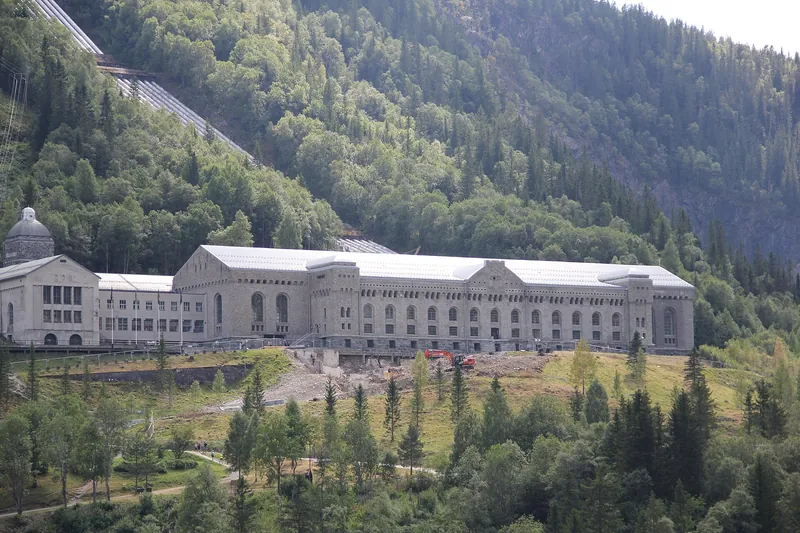
Rjukan and Notodden industrial heritage
Listed as UNESCO World Heritage in 2015: this is where Norsk Hydro made fertiliser using power from the waterfalls. In Rjukan, deep in a valley without winter sun, a cable car (Krossobanen, 1928) took residents up to the light; today mirrors reflect it onto the town square.
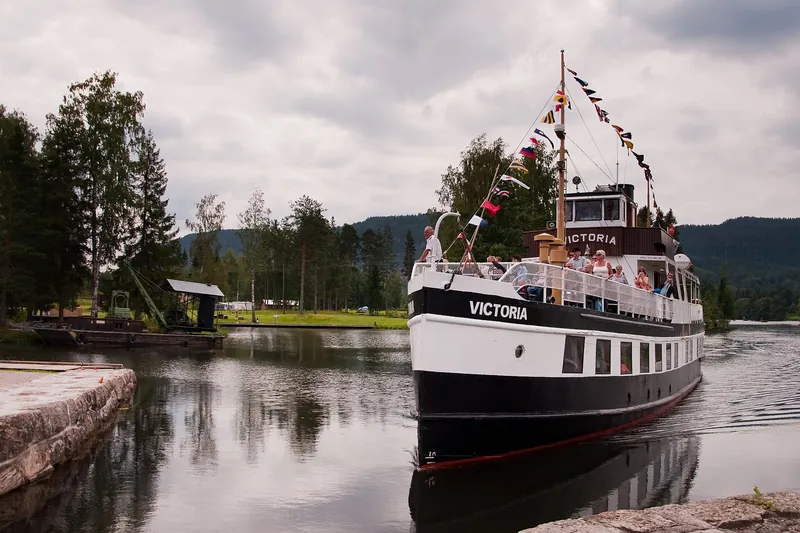
Telemark Canal
From Skien to Dalen, 105 km of waterway and 18 locks, completed in 1892. In summer, historic boats such as the Victoria make the full crossing in a day.
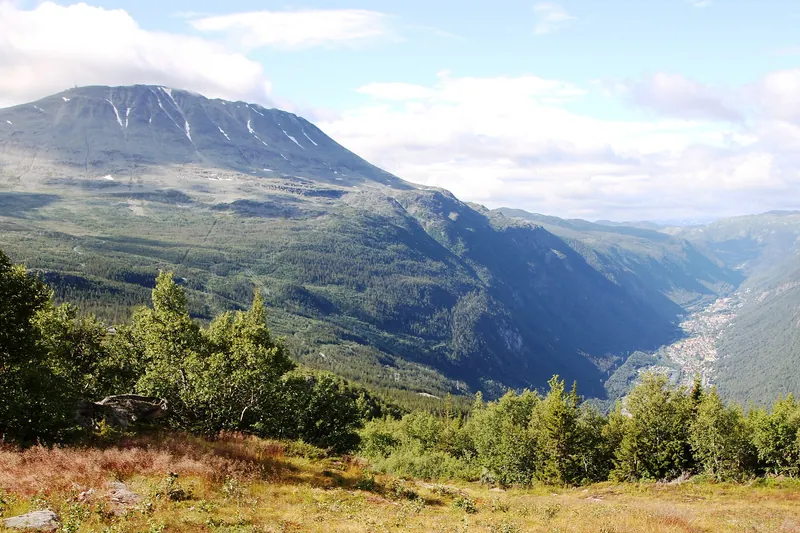
Gaustatoppen
A 1,883 m summit above Rjukan; on a clear day you can see about a sixth of Norway. Walk up, or ride Gaustabanen: a small train and then a funicular, both inside the mountain.
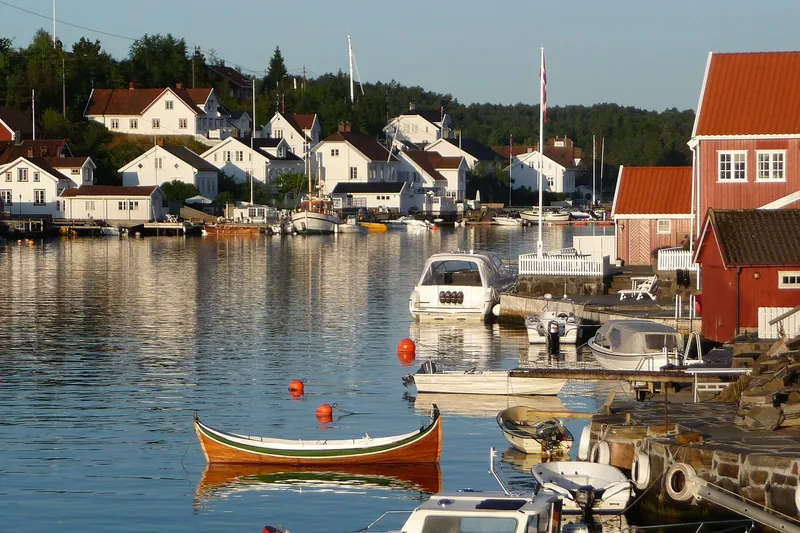
Small towns of white houses, archipelagos and beaches: this is the coast where Norwegians spend their summer holidays, between Kragerø and Flekkefjord.
Kristiansand
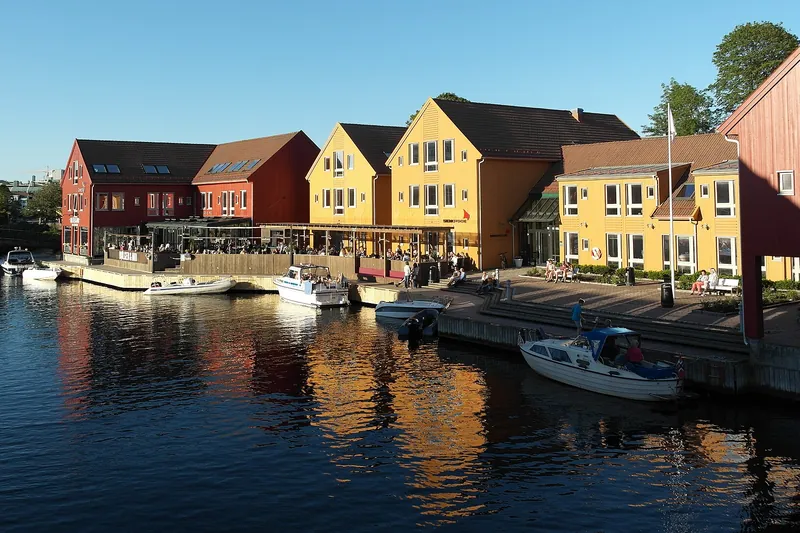
Founded in 1641 by Christian IV on a grid plan, the "Kvadraturen", still clear in the centre today. The Posebyen district keeps its wooden houses, and the town is the gateway to the South Coast, with ferries to Denmark.
Lindesnes Lighthouse
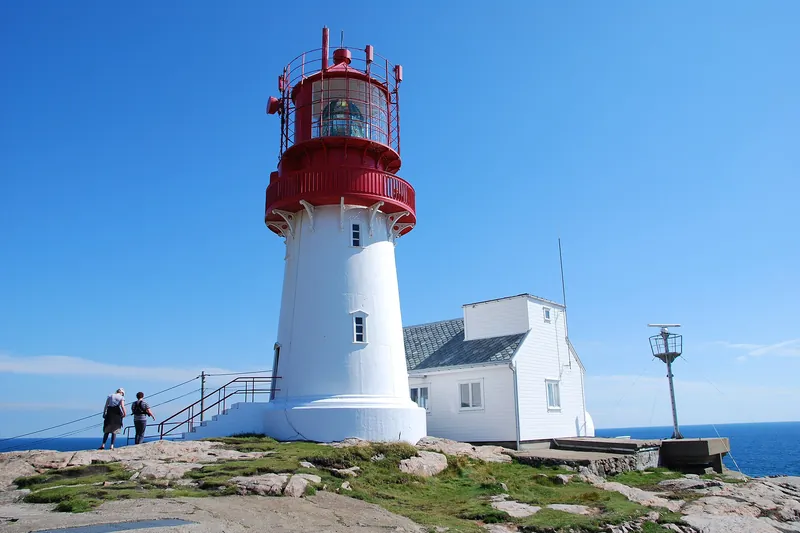
At the southern tip of mainland Norway. Licensed in 1655, it first shone in 1656, making it the country's oldest lighthouse station. Museum and paths over the rocks; the North Cape is about 2,500 km away by road.
Risør
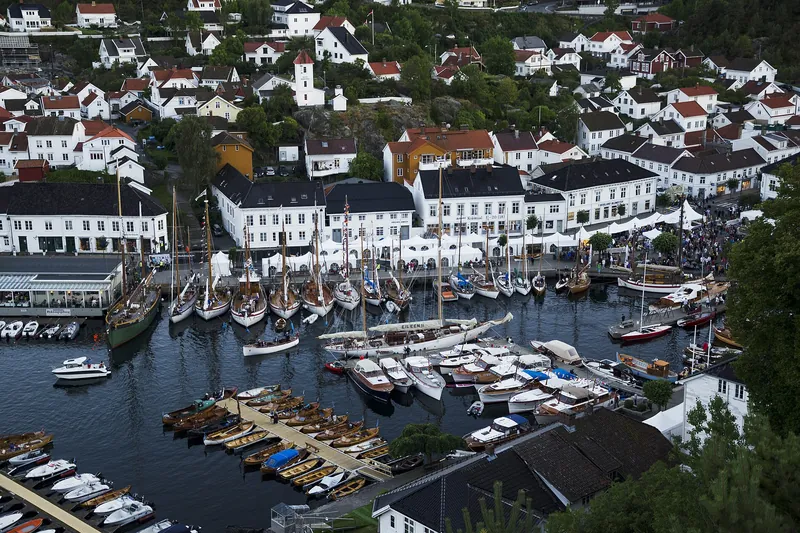
The "white town" of the South Coast. In late July or early August, the Wooden Boat Festival (Trebåtfestivalen) fills the harbour with hundreds of traditional sailing boats and dinghies.
Grimstad
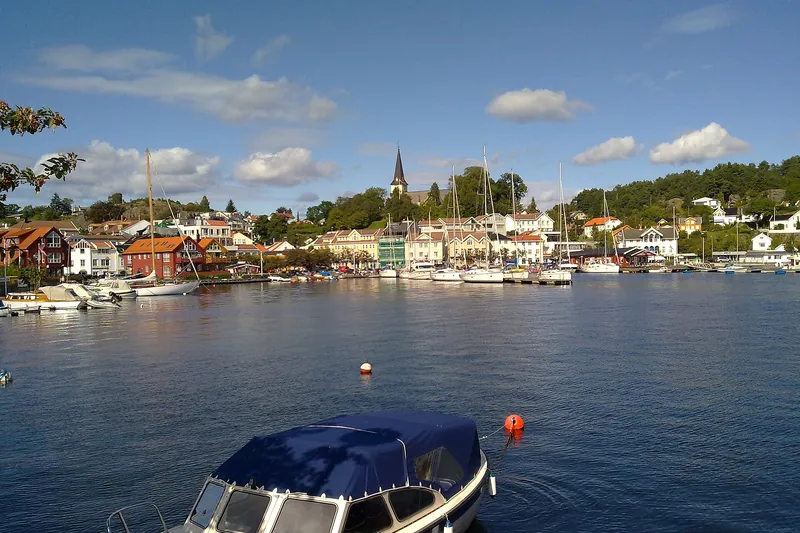
Henrik Ibsen worked here as an apprentice pharmacist from 1844 to 1850 and wrote his first play here. The pharmacy where he lived is now a museum.
Lyngør
A car-free island village off Tvedestrand, reachable only by boat (water taxi or scheduled boat from Gjeving, a few minutes away). White houses, lanes and jetties.
From Stavanger to Kristiansund: the most famous fjords, carved by glaciers, hundreds of waterfalls and some of Europe's most spectacular mountain roads. Many are open only in summer.
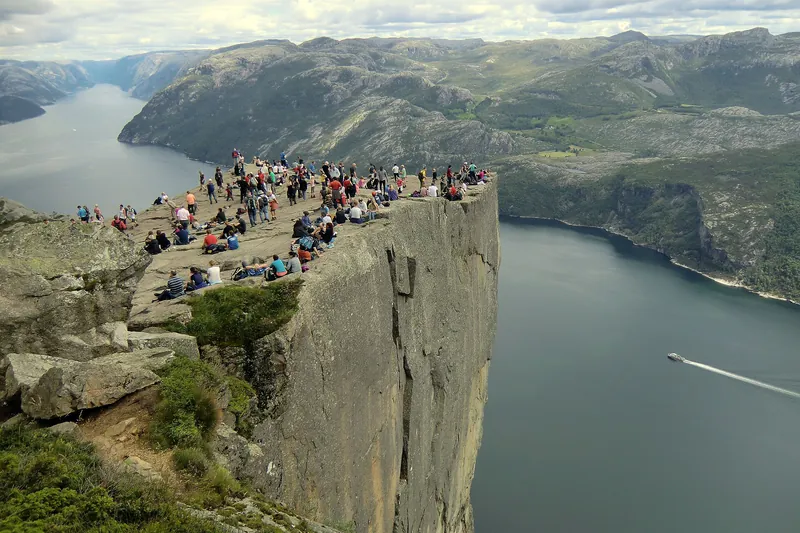
Preikestolen (Pulpit Rock)
A rock plateau 604 m above the Lysefjord. The hike from the Preikestolen car park is about 4 km each way; allow around 4 hours return. Without a guide, do it from late spring to autumn.
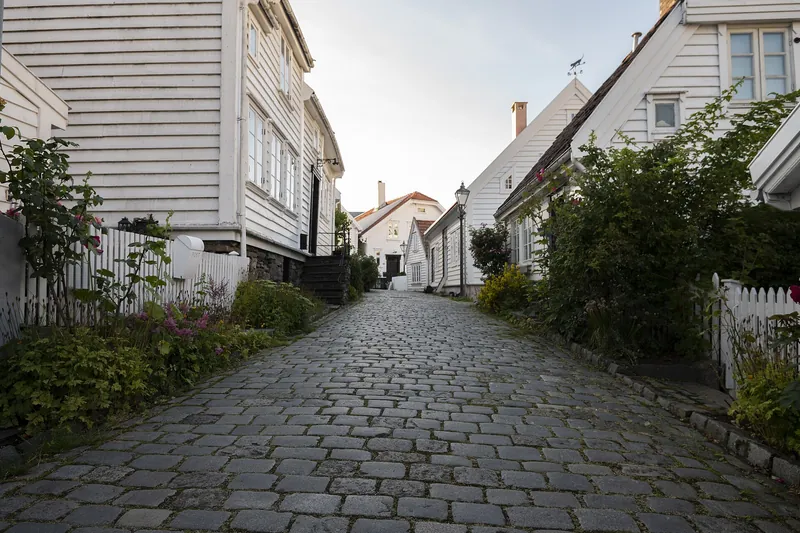
Stavanger and Old Stavanger
Norway's oil capital since the 1970s. The Gamle Stavanger district has about 170 white wooden houses from the 18th and 19th centuries; the Norwegian Petroleum Museum tells the story of the North Sea.
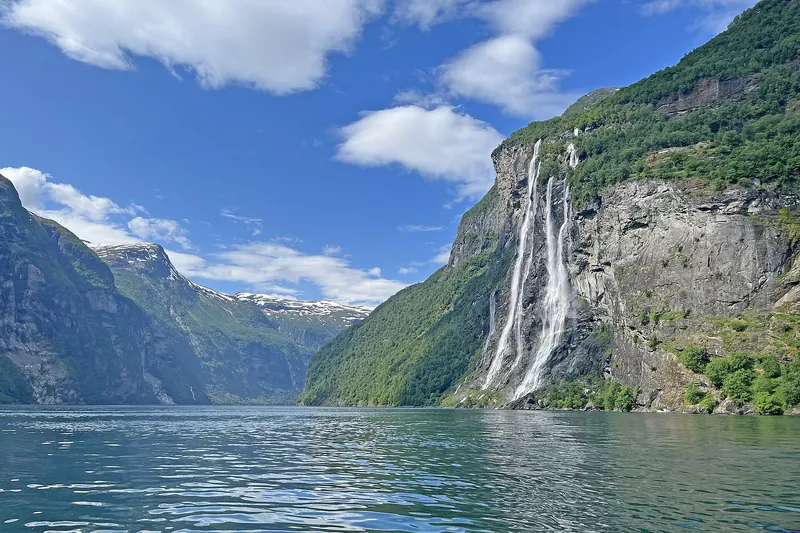
Geirangerfjord
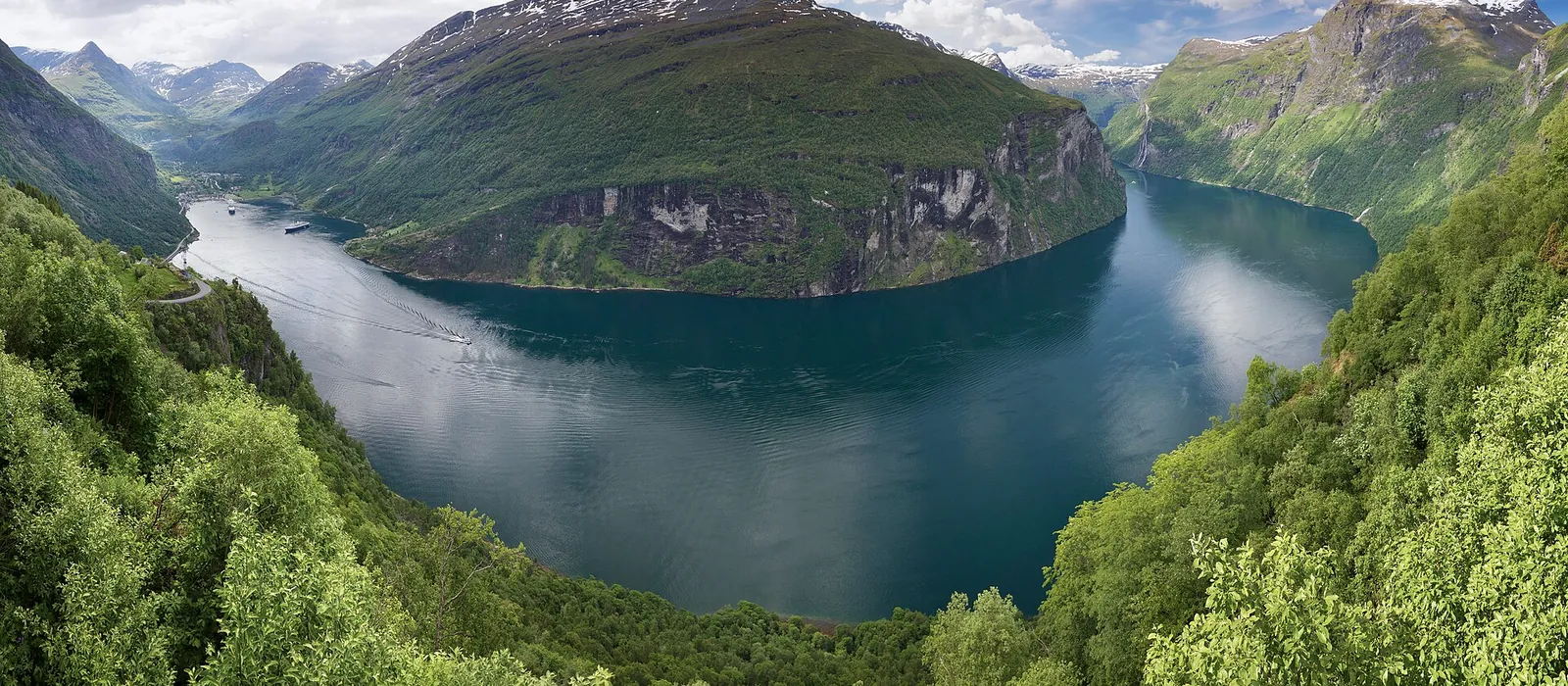
Listed as UNESCO World Heritage in 2005 together with the Nærøyfjord. Here you see the Seven Sisters waterfall (De syv søstrene) and farms clinging to the cliffs. The Dalsnibba viewpoint and the Eagle Road (Ørnevegen) give the best views.
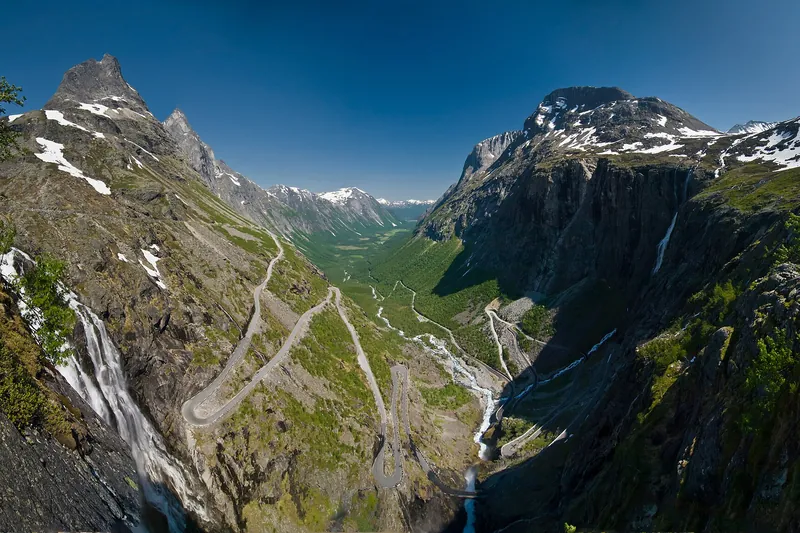
Trollstigen (the Trolls' Ladder)
A mountain road with eleven hairpin bends, opened in 1936, climbing above the Romsdal valley. Closed in winter: it usually opens in late May and closes in October — check vegvesen.no before you go.
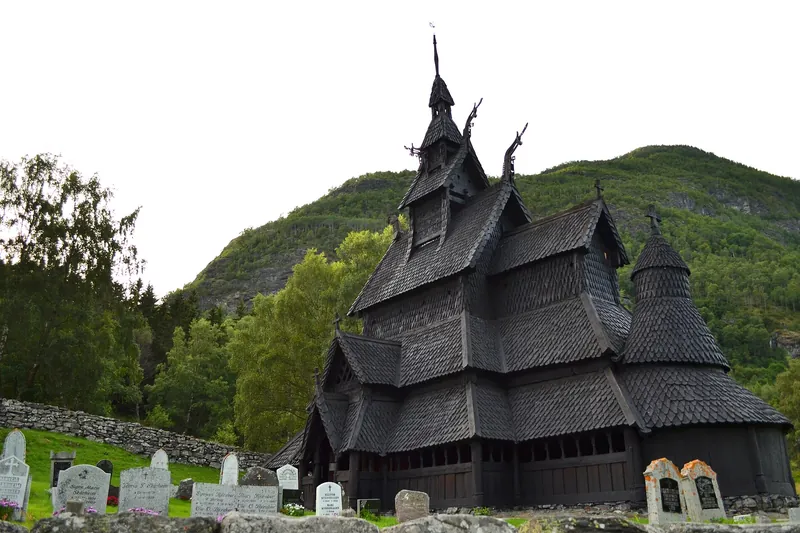
Borgund Stave Church
Built around 1180, it is the best preserved of the country's stave churches, almost unchanged since it was built, with dragon heads on its gables. On the E16 road between Oslo and Bergen.
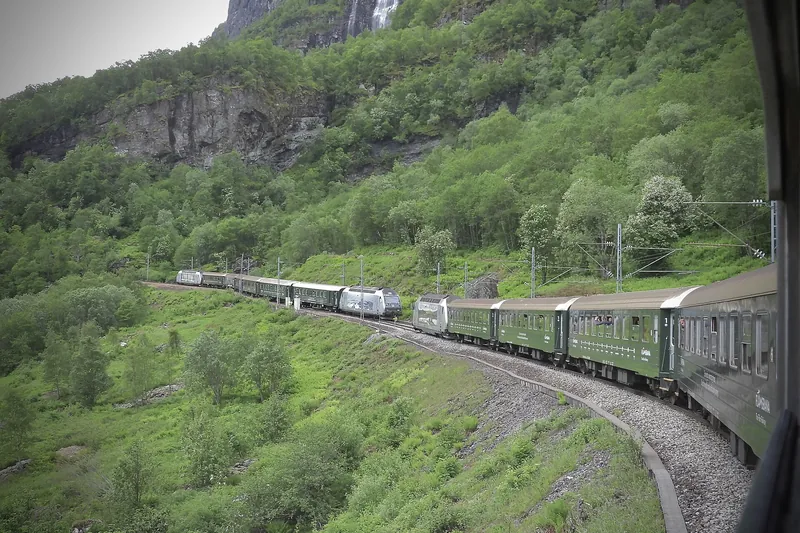
Flåm and the Flåm Railway
The Flåm train runs down from Myrdal, on the Oslo–Bergen line, to the head of the Aurlandsfjord: 20 km and more than 860 m of descent, the steepest railway in Norway. The Aurlandsfjord is an arm of the Sognefjord, the country's longest fjord (over 200 km).
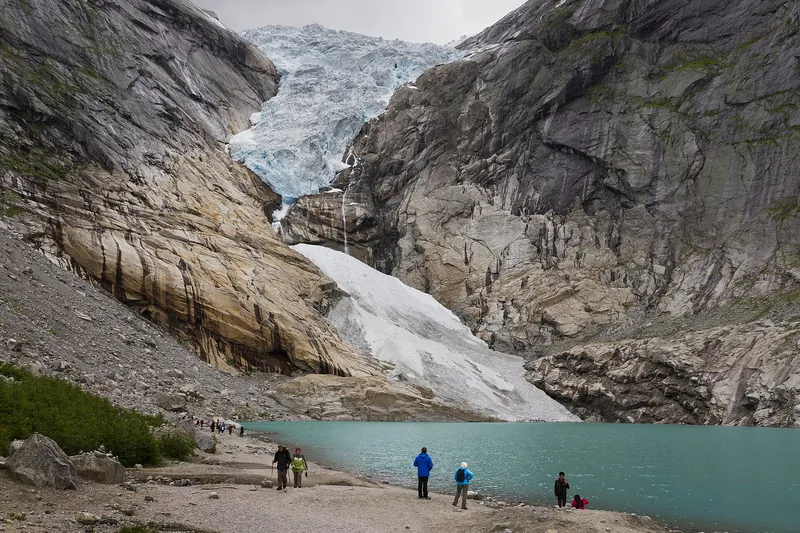
Jostedalsbreen glacier and Glacier Museum
The largest glacier in mainland Europe. Its Bøyabreen arm can be seen from the road; Briksdalsbreen is reached by a trail of about 3 km. Only walk on the ice with an authorised guide. The Norwegian Glacier Museum is in Fjærland.
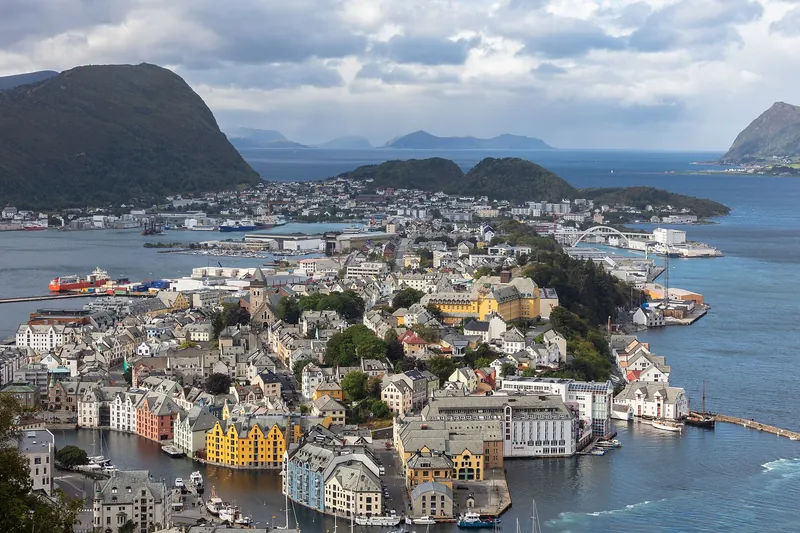
Ålesund
Destroyed by fire in January 1904, the town was rebuilt within three years in the Art Nouveau (Jugendstil) style that gives it its unity. Climb the 418 steps up Mount Aksla for the view over the islands.
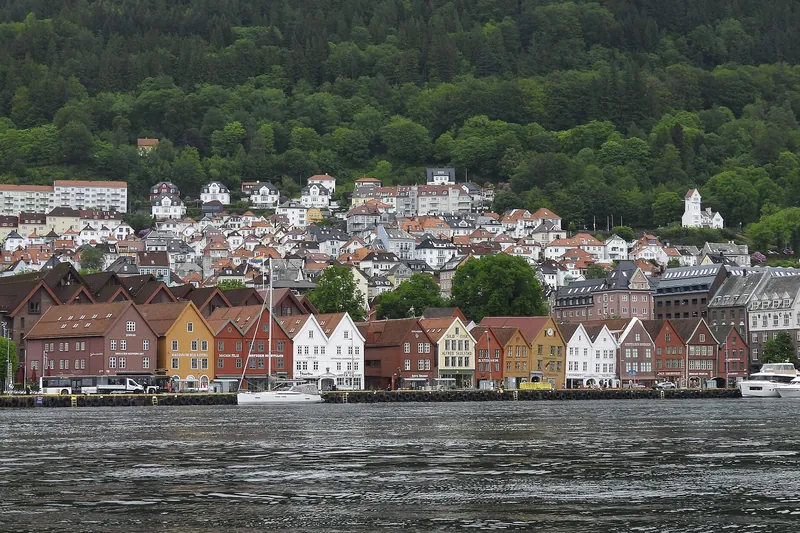
Norway's second city, between seven mountains and the sea. Founded according to tradition in 1070 by King Olav Kyrre, it was a major Hanseatic trading post and Norway's largest city until the 1830s. Bring a raincoat: it rains a lot.
Bryggen
The Hanseatic wharf, a row of gabled wooden buildings along Vågen harbour, listed as UNESCO World Heritage in 1979. You can wander freely through the passages between the buildings.
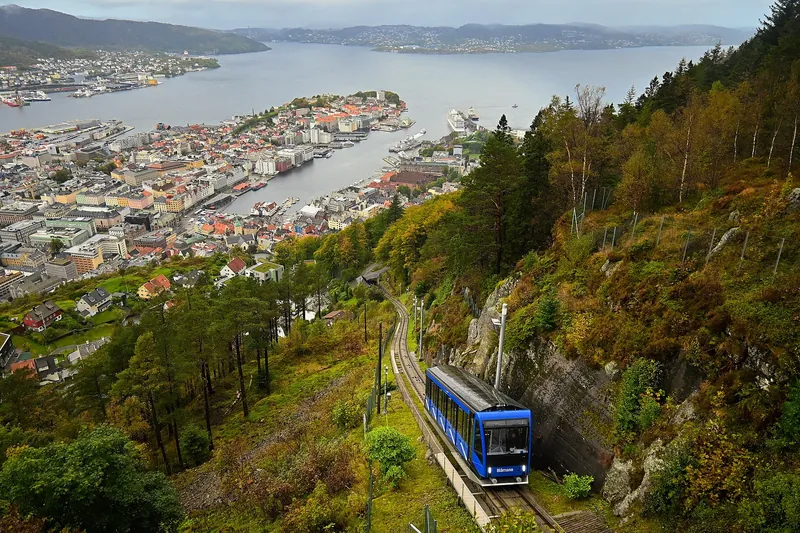
Fløyen funicular (Fløibanen)
From the centre it climbs in a few minutes to 320 m on Mount Fløyen, with a view over the whole city. Trails and lakes at the top; you can walk back down.
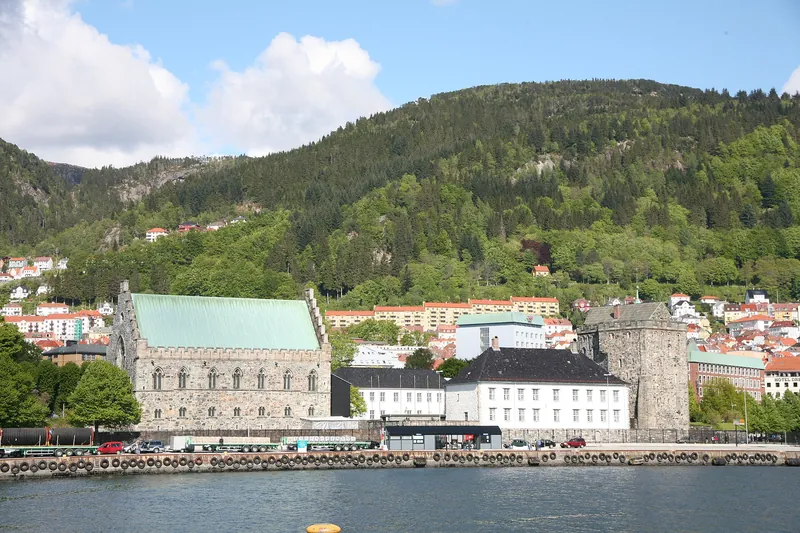
Bergenhus: Håkon's Hall and Rosenkrantz Tower
At the harbour entrance, the royal fortress: Håkon's Hall, a great stone hall completed around 1261 for King Håkon Håkonsson, and Rosenkrantz Tower, rebuilt in the 1560s.
Troldhaugen, Edvard Grieg's home
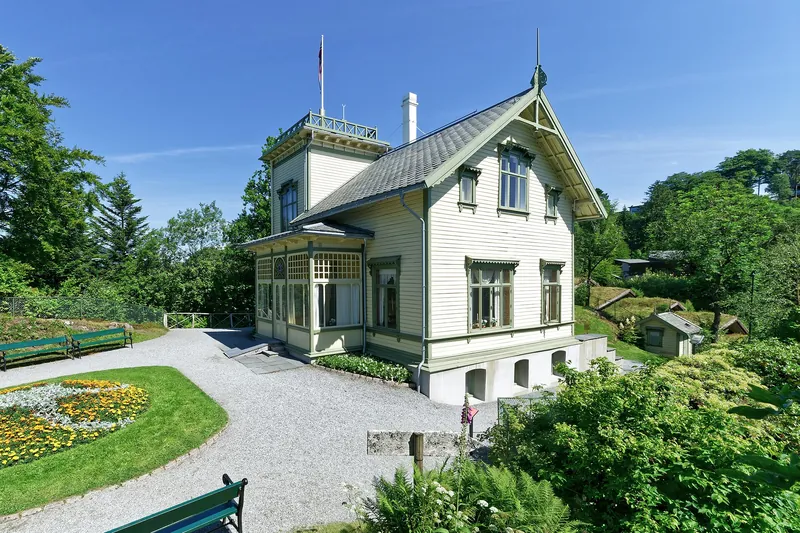
The home of the composer and his wife Nina, by Lake Nordåsvannet south of the city. The house is being restored until summer 2027, but the grounds, the composing hut and the summer concerts in the Troldsalen hall remain open.
Fish Market (Fisketorget)
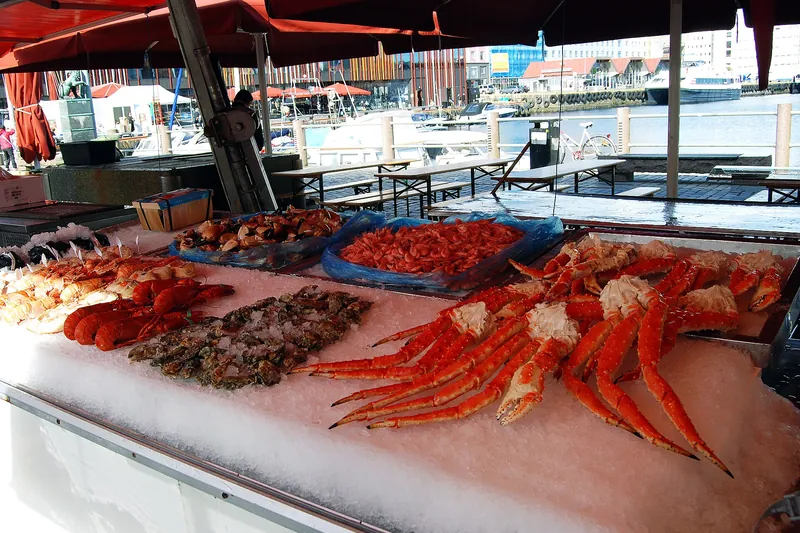
At the head of Vågen harbour, a market since the 13th century: open-air fish and seafood stalls, and a covered hall (Mathallen) open all year.
The great valleys of Innlandet and the highest peaks in Northern Europe, up to the Dovrefjell plateau and the mining town of Røros. National park and ski country.
Lillehammer and Maihaugen
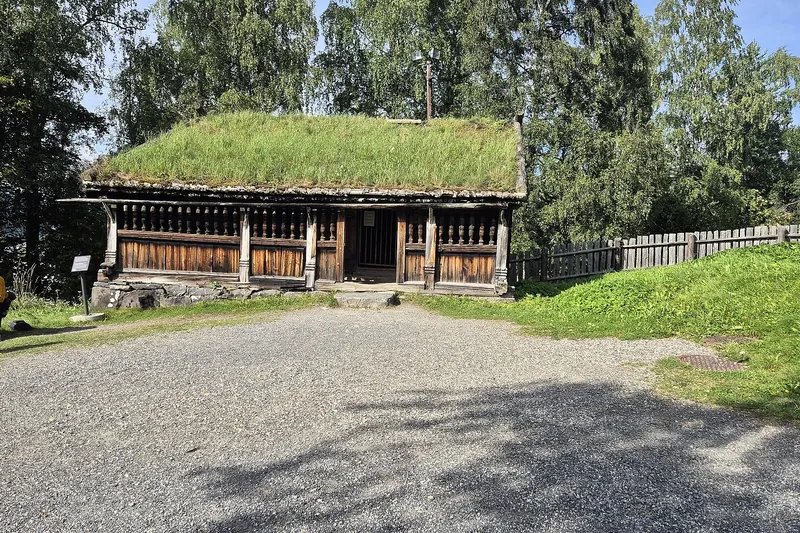
Host of the 1994 Winter Olympics, on the shore of Lake Mjøsa. The Maihaugen open-air museum, which grew from Anders Sandvig's collection begun in 1887, brings together more than 200 old buildings, including Garmo stave church.
The Skibladner paddle steamer
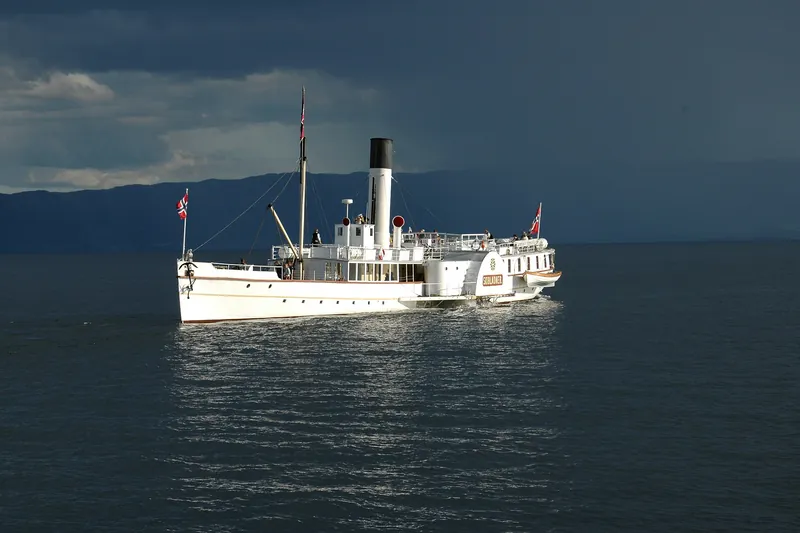
In service on Mjøsa, Norway's largest lake, since 1856: the oldest paddle steamer in the world still in regular service. Summer cruises between Hamar, Gjøvik and Lillehammer.
Galdhøpiggen and Jotunheimen
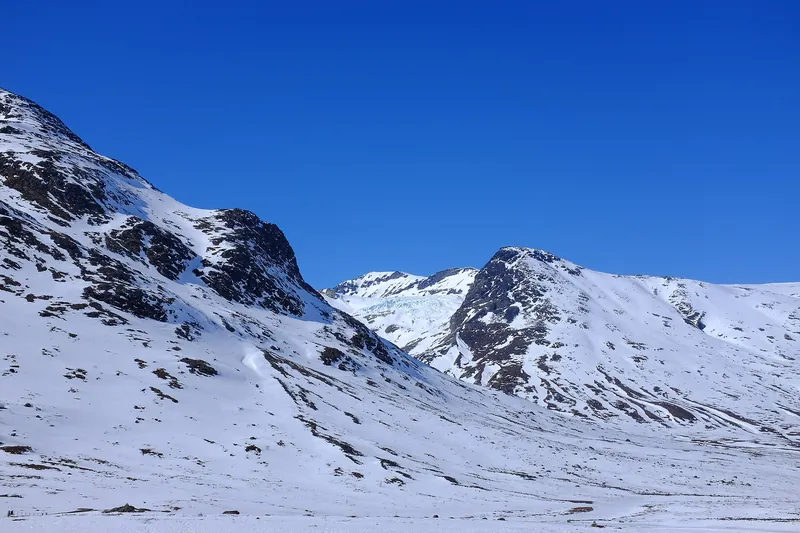
At 2,469 m, the highest peak in Norway and Northern Europe, in Jotunheimen National Park. From Juvasshytta the climb crosses a glacier and is done with a guide; from Spiterstulen there is a route without glacier.
Rondane National Park
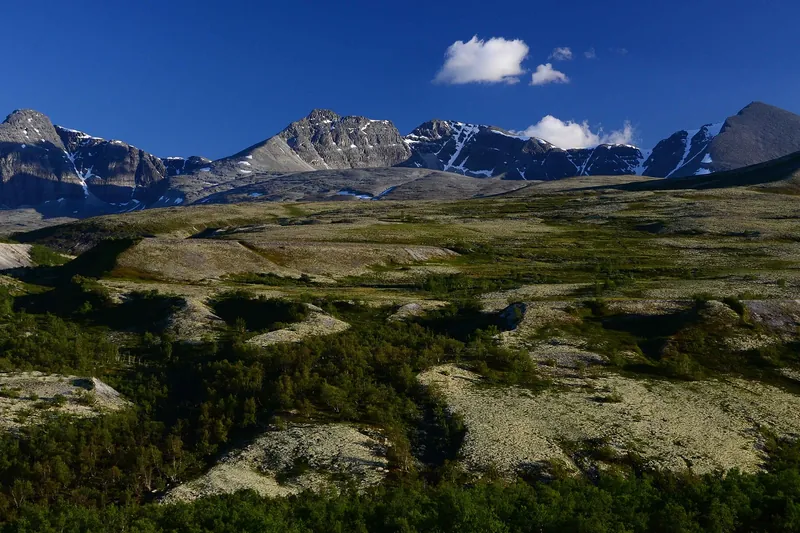
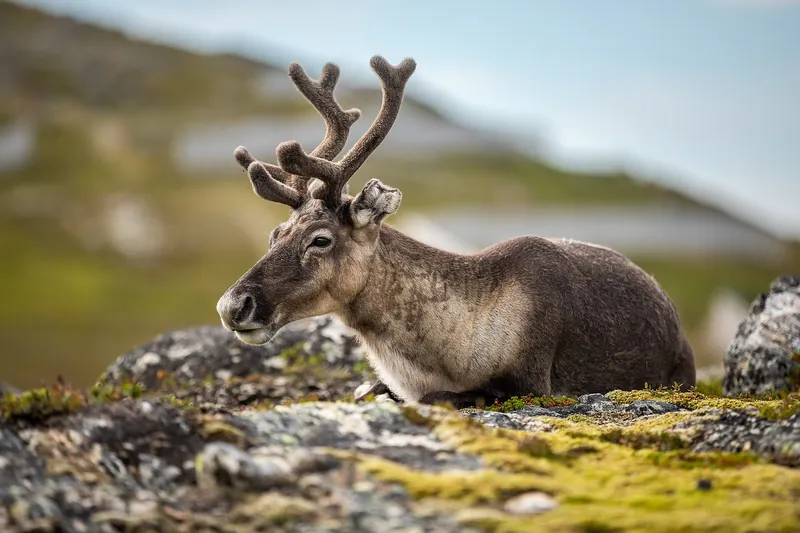
Norway's first national park, created in 1962: around ten peaks above 2,000 m, marked trails and mountain huts. It is home to wild reindeer, which must not be disturbed in spring during calving.
Dovrefjell and its musk oxen
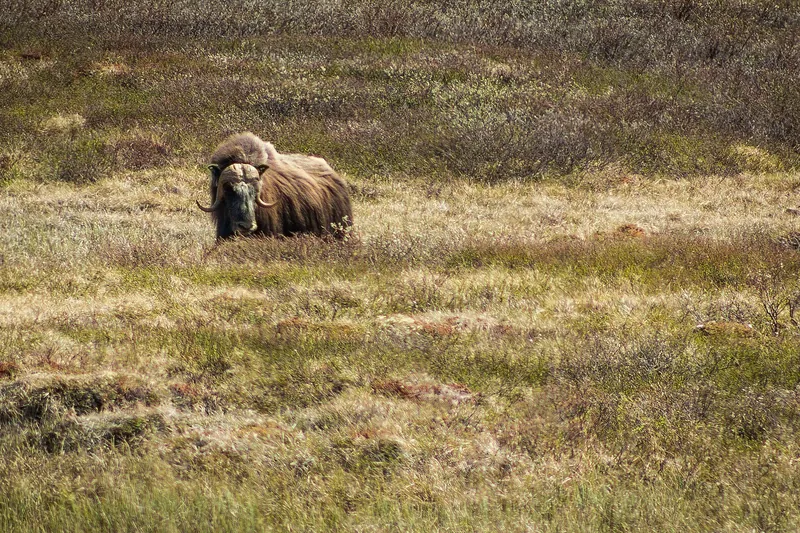
Musk oxen brought from Greenland have roamed free here since the 1940s–1950s. They can charge: stay at least 200 m away, and join a guided safari from Oppdal or Kongsvoll if you want to get closer.
Røros
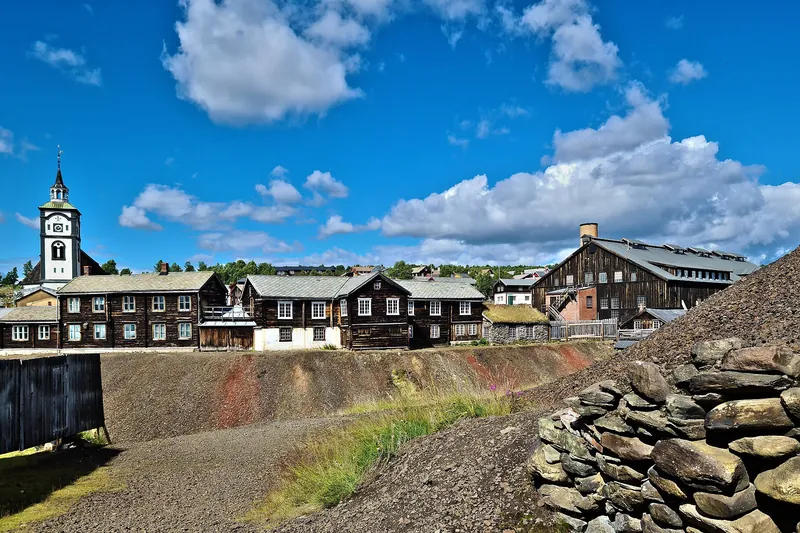
A mining town where copper was extracted from 1644 to 1977, listed as UNESCO World Heritage in 1980. Streets of wooden houses, a white church and slag heaps; one of the coldest towns in Norway in winter. Big winter fair, Rørosmartnan, every year in the second half of February.
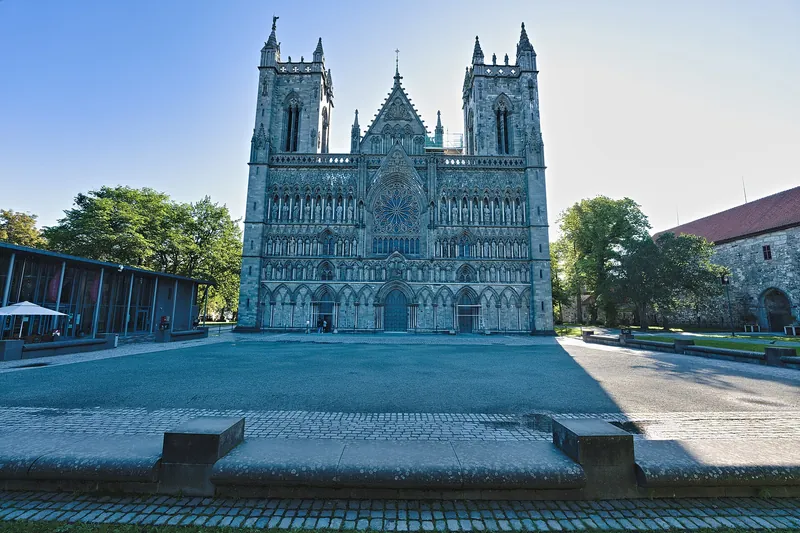
Founded in 997 by King Olav Tryggvason at the mouth of the Nidelva, Norway's first capital and a great pilgrimage site in the Middle Ages. For everyday life there, read our Trondheim guide.
Begun around 1070 over the tomb of Saint Olav, it is the northernmost of Europe's great medieval cathedrals and where Norway's kings are consecrated. Climb the tower in summer.
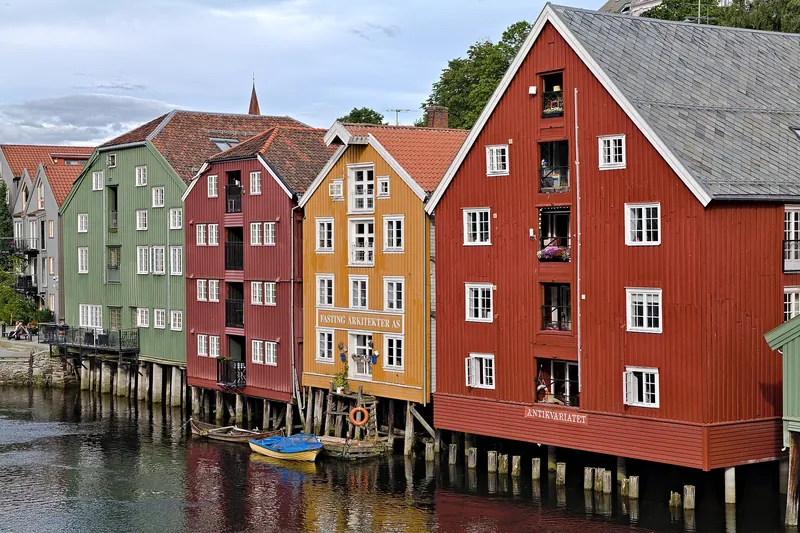
Old Town Bridge and Bakklandet
The red wooden bridge (Gamle Bybro, 1861) leads to the Bakklandet district, with its wooden houses and cafés. From the bridge, the best view of the colourful warehouses (Bryggene) along the Nidelva.
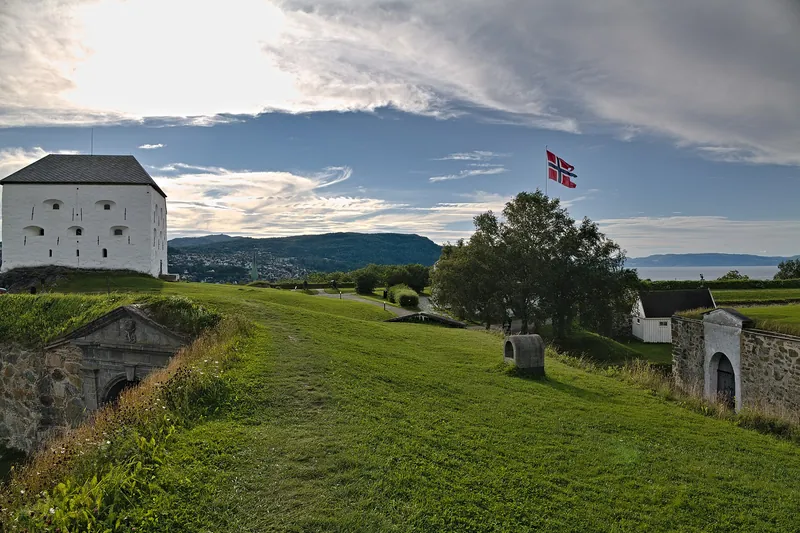
Kristiansten Fortress
Built after the great fire of 1681 on the hill above the city. The grounds are freely accessible and give one of the finest views over Trondheim and its fjord.
Beyond the Arctic Circle: midnight sun in summer, polar night and northern lights in winter. The Lofoten Islands, Tromsø, Sámi country and the North Cape. Distances are long: think plane, the coastal express (Hurtigruten) or several days by road.
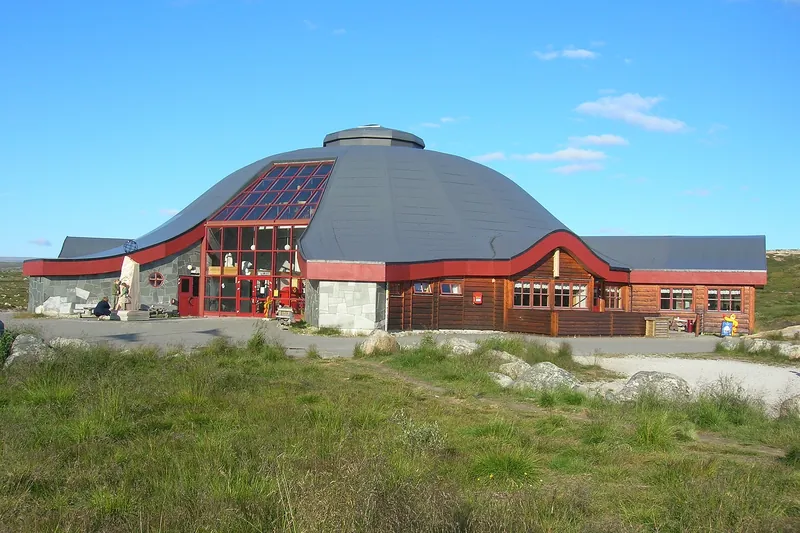
Arctic Circle Centre, Saltfjellet
On the E6 road, above the tree line, where the Arctic Circle crosses it. The nearby Saltfjellet-Svartisen National Park contains Svartisen, the country's second-largest glacier.
The Lofoten Islands
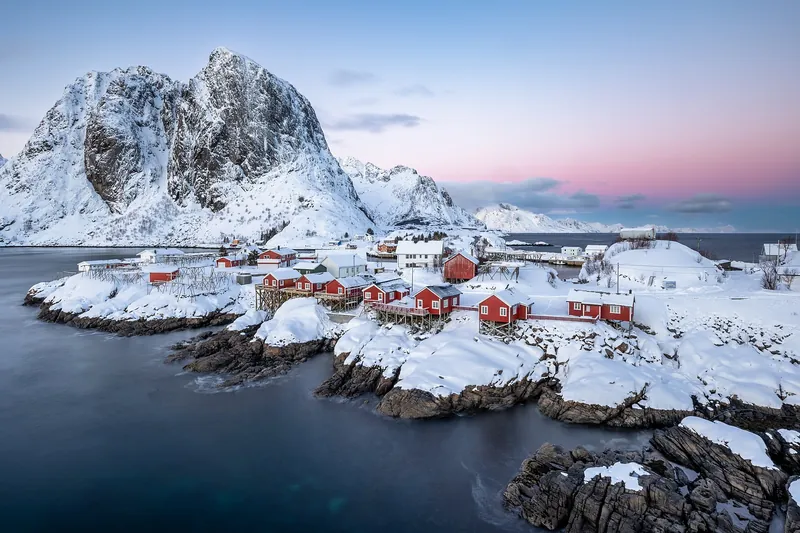
Mountains dropping into the sea, white sand beaches and fishing villages: Reine and Hamnøy, Nusfjord, Henningsvær with its football pitch on an islet. Stay in a rorbu, a fisherman's cabin on stilts. At Borg, the Lofotr Viking Museum has rebuilt the 83 m chieftain's house found on the site, the longest reconstructed Viking longhouse in the world.
Trollfjorden
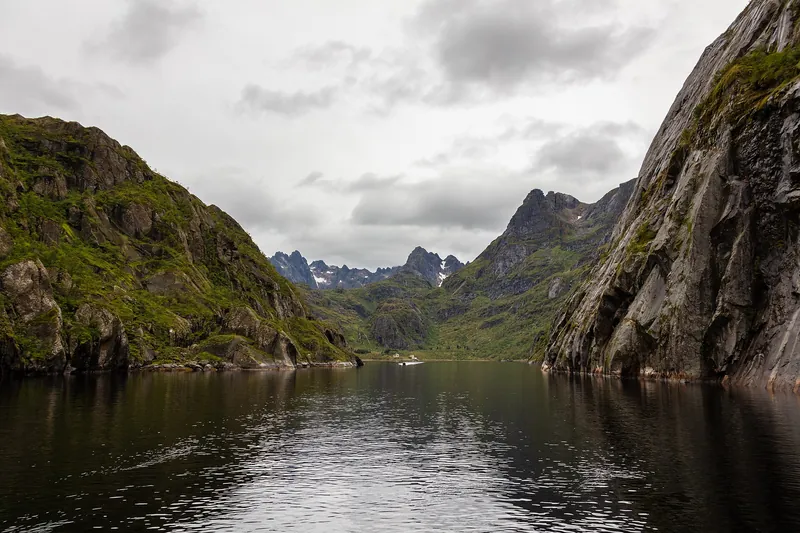
Between Lofoten and Vesterålen, a narrow 2.5 km fjord with sheer walls and an entrance barely 100 m wide. The coastal express sails in when the weather allows; boat trips also leave from Svolvær.
Tromsø
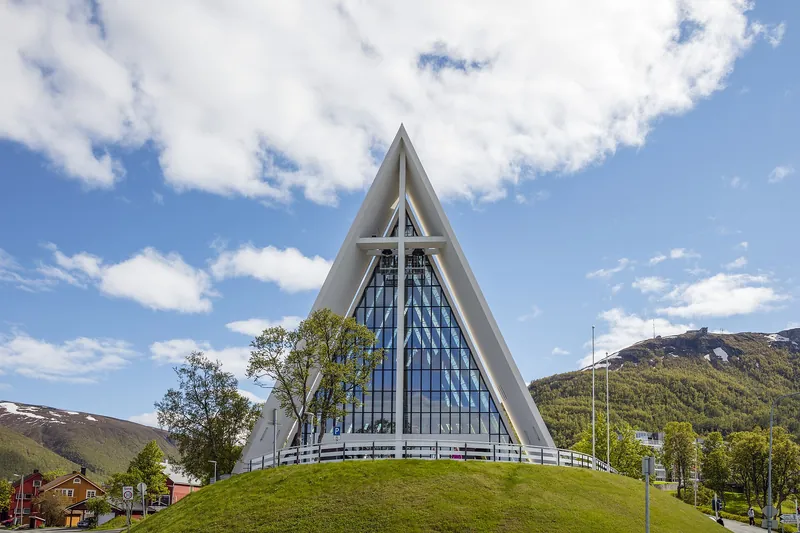
The largest city in northern Norway, a university town and the capital of the northern lights from September to March. See the Arctic Cathedral (1965) and the Fjellheisen cable car, which climbs to 421 m above the city.
Alta and its rock carvings
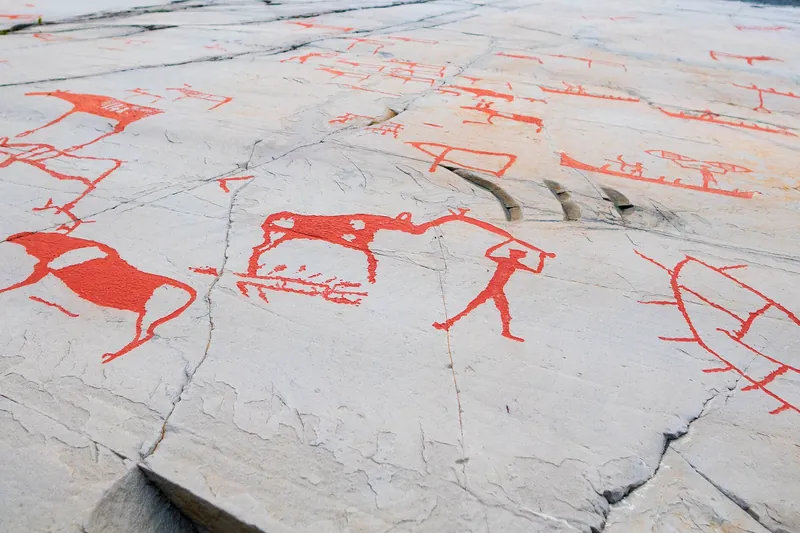
Thousands of rock carvings and paintings made between 7,000 and 2,000 years ago, listed as UNESCO World Heritage in 1985. Wooden walkways at the Alta Museum, in summer. In town, the Northern Lights Cathedral (2013).
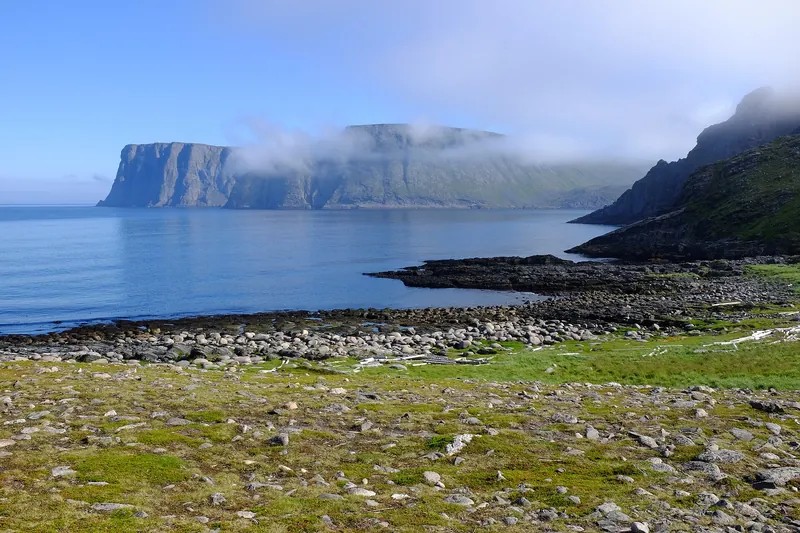
North Cape (Nordkapp)
A cliff of about 307 m on the island of Magerøya, linked to the mainland by an undersea tunnel. The island's northernmost point is nearby Knivskjellodden, at 71°11′08″ N: about 18 km of walking there and back. On the mainland, it is Cape Nordkinn.
Sámi country: Karasjok and Kautokeino
The Sámi are the Indigenous people of northern Norway, Sweden, Finland and the Kola Peninsula; within the Sámi area, the law reserves reindeer herding for them. The Sámi Parliament (Sámediggi) has sat in Karasjok since 1989; Kautokeino hosts the Sámi Easter Festival.
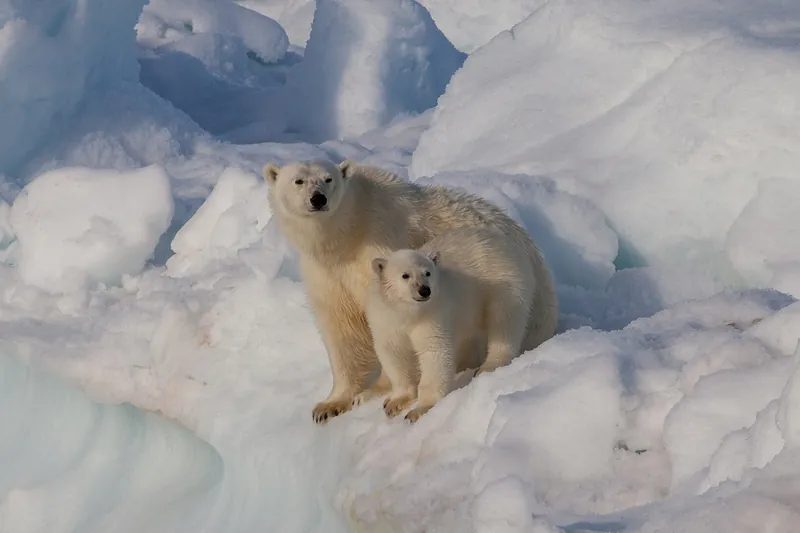
An Arctic archipelago halfway between the North Cape and the North Pole, Norwegian since 1925 under the 1920 treaty. More than half of the land is covered by ice, and the polar bear is at home everywhere.
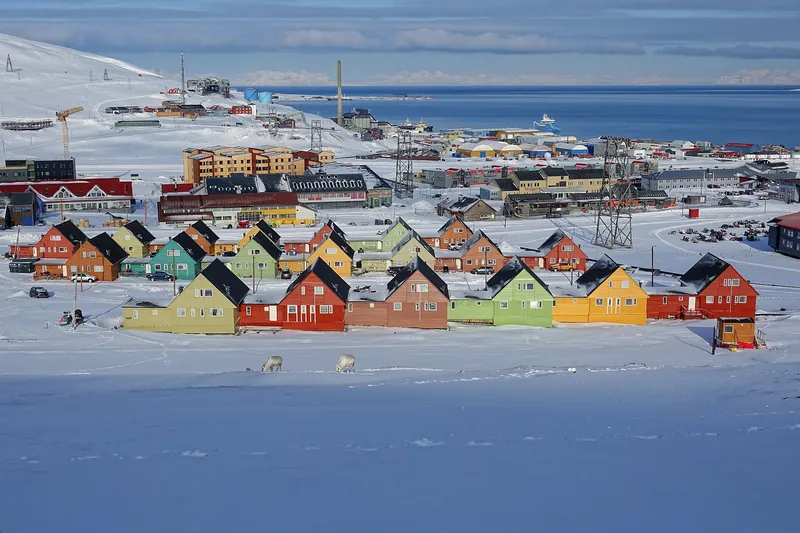
Longyearbyen
The main settlement, born of the coal mine opened in 1906 by the American John Munro Longyear. Direct flights from Oslo and Tromsø. Midnight sun from April to August, polar night from late October to mid-February.
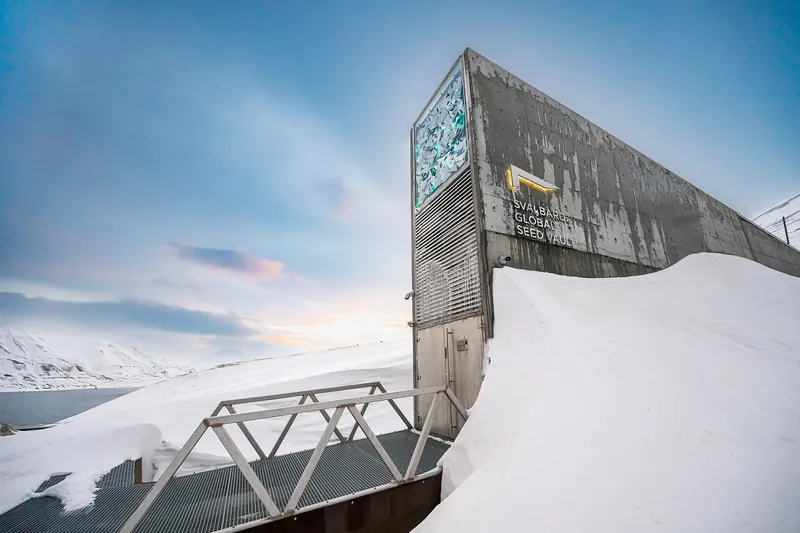
Global Seed Vault
Dug into the mountain near the airport and opened in 2008, it can store 4.5 million seed samples from around the world against disaster. It cannot be visited: you can see the entrance.
Polar bears: the rule
Outside Longyearbyen, never go out without a means of scaring off a bear, and the Governor (Sysselmesteren) recommends a firearm. Since 2025 you must stay at least 300 m from a bear (500 m from March to June) and never disturb it. For a first trip, go with a guide.


.jpg)
.jpg)


.jpg)

.jpg)


.jpg)


.jpg)


_01_front.jpg)


_with_cub,_Svalbard.jpg)