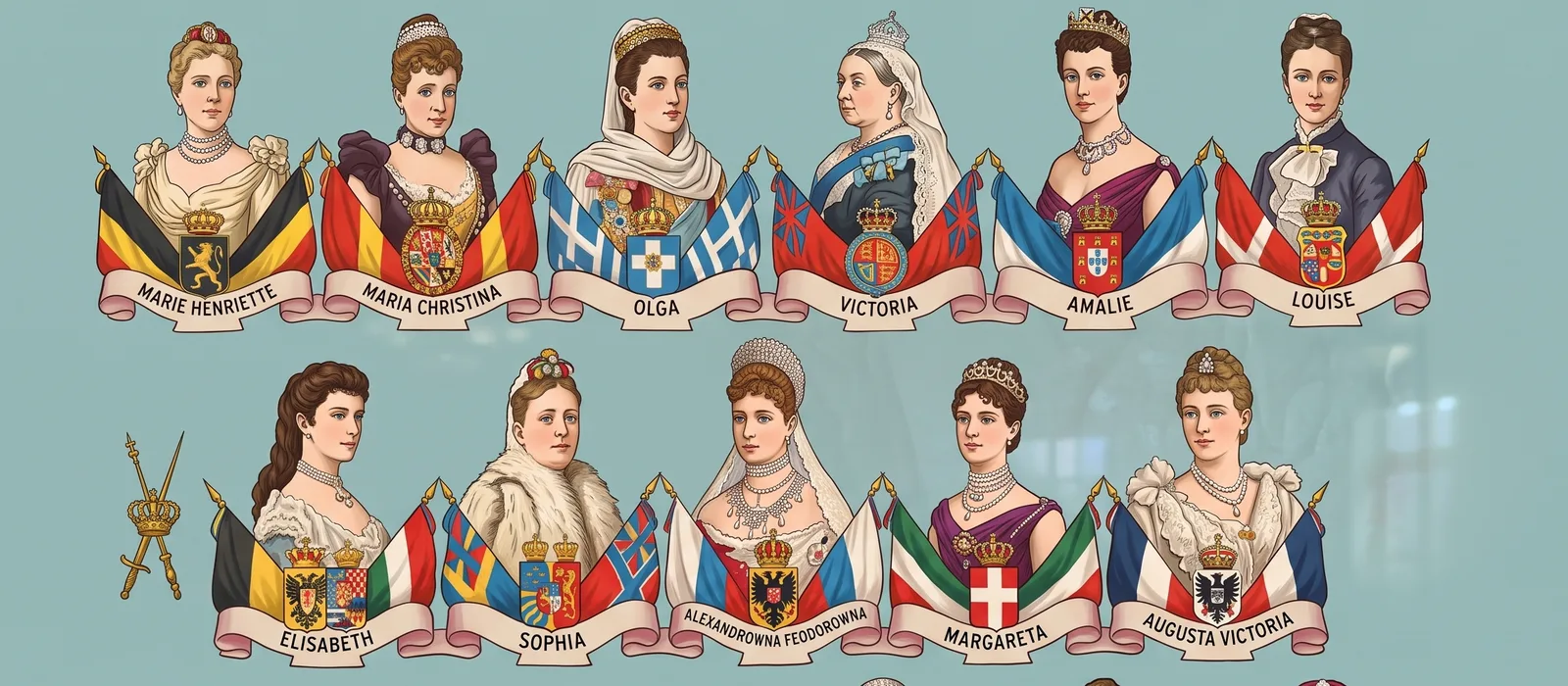
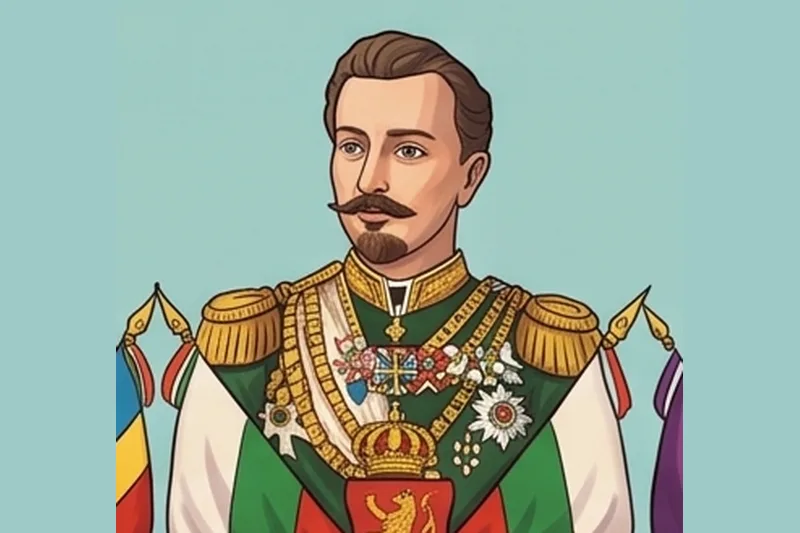
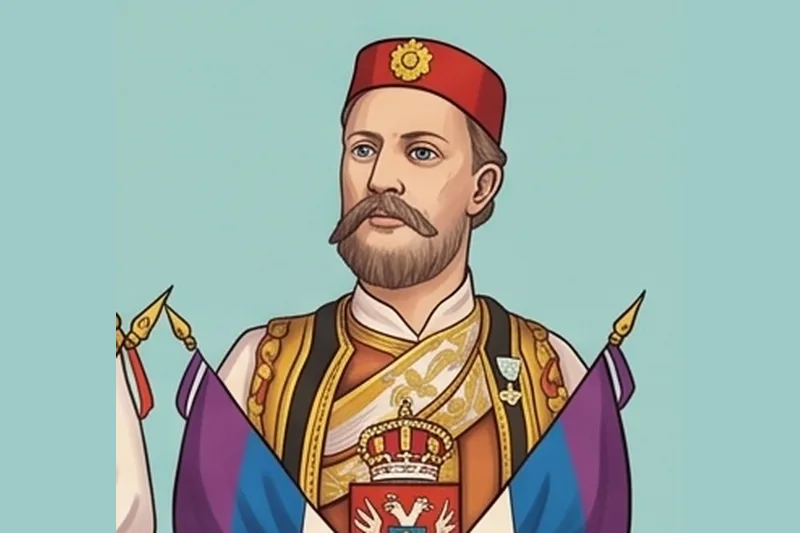
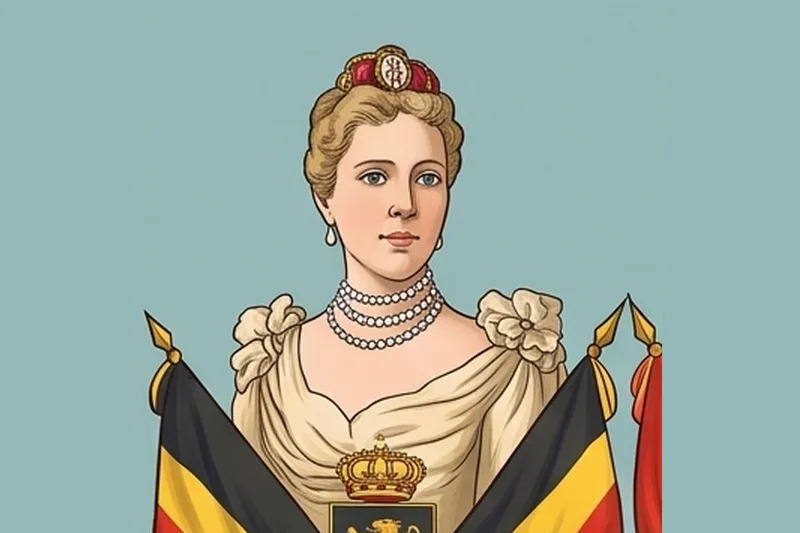
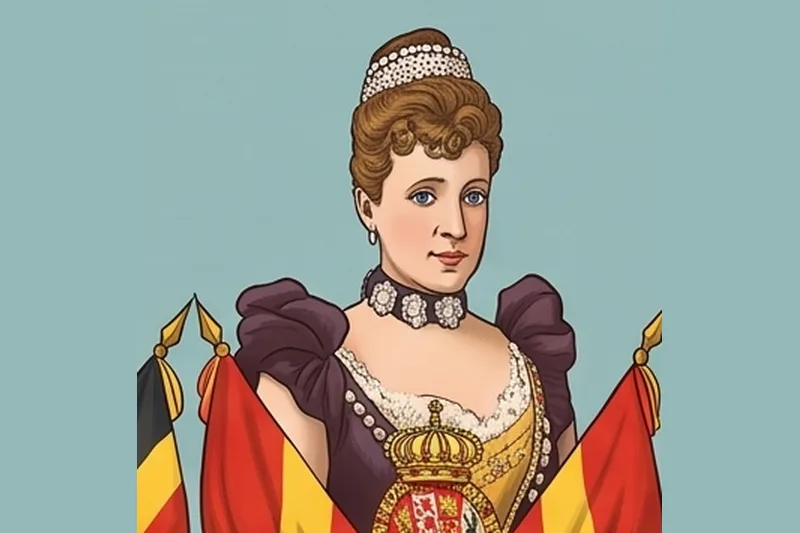
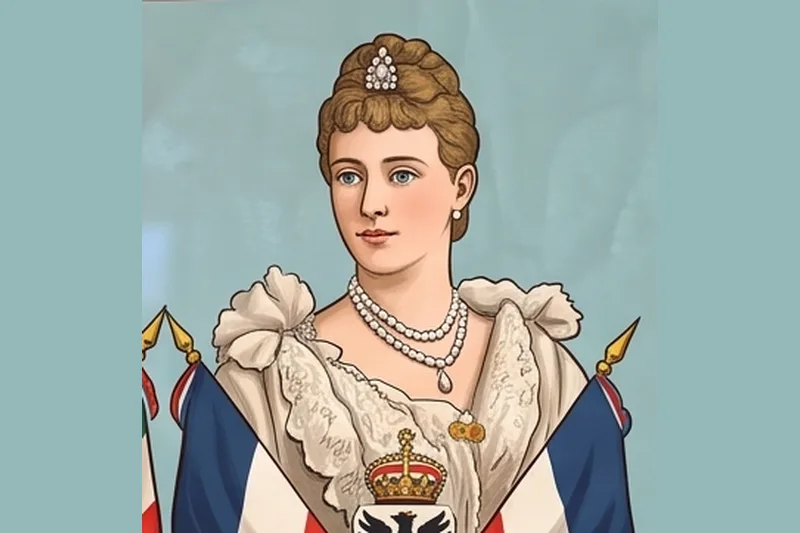
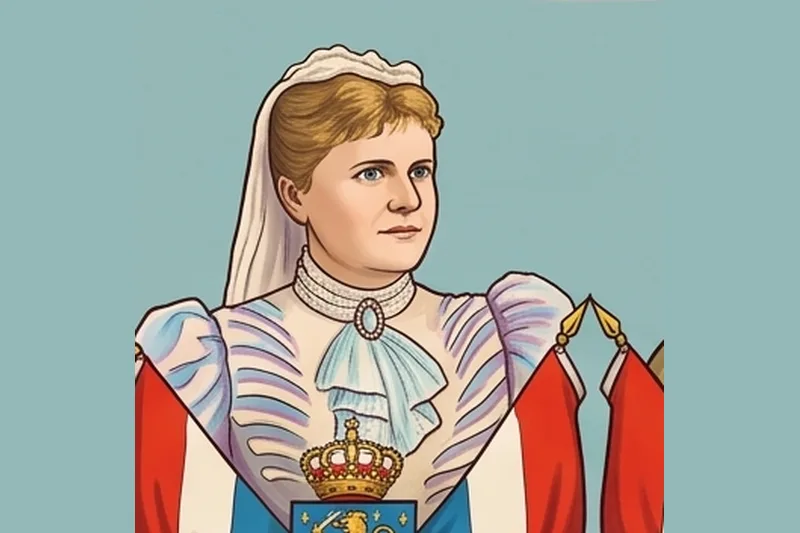
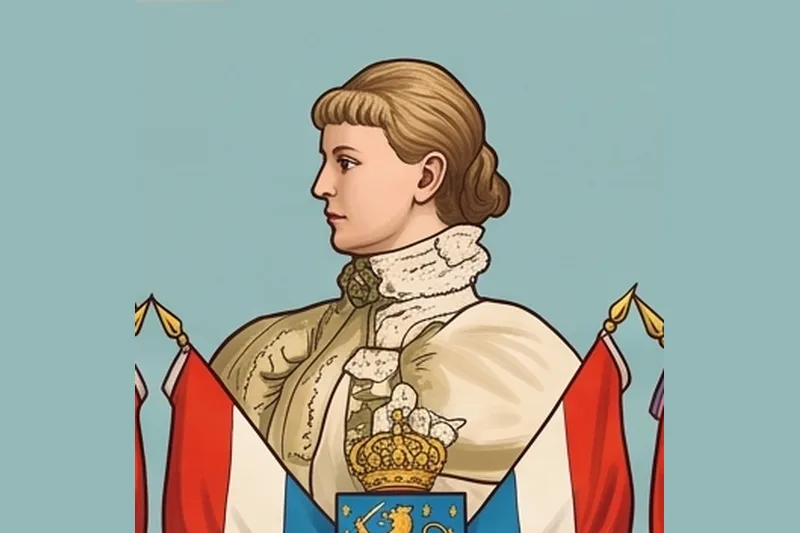
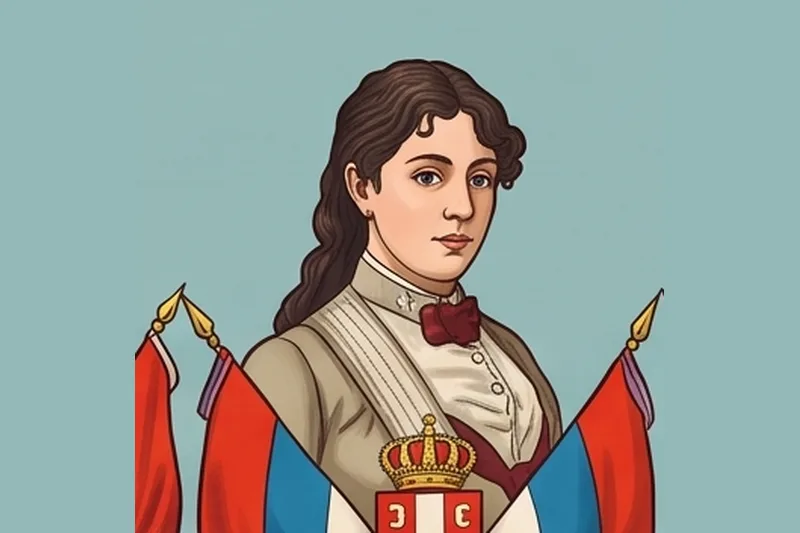
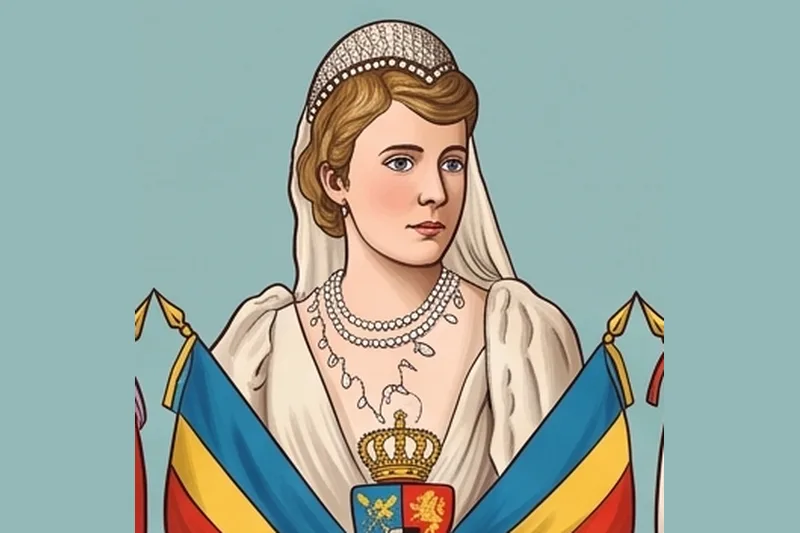
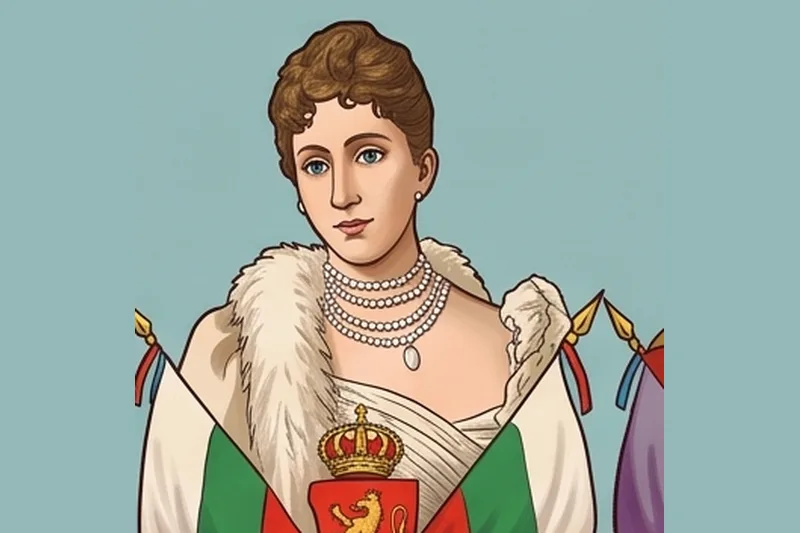
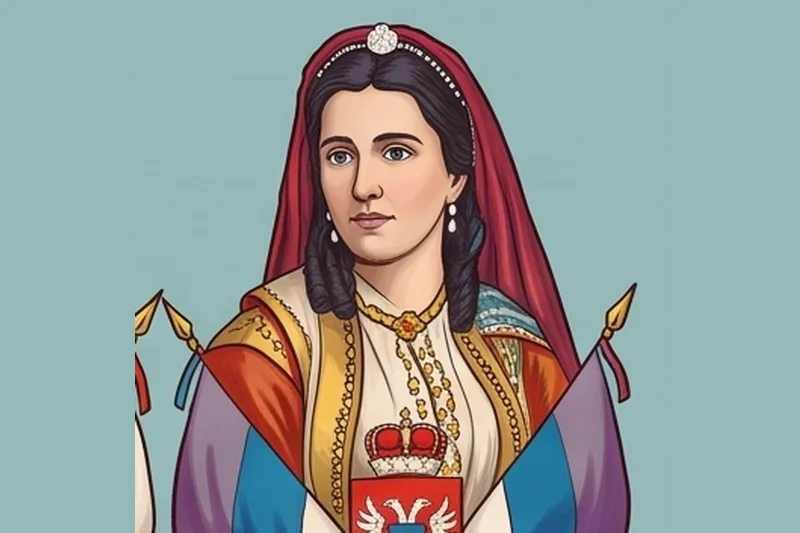
Two Swedish posters printed between 1899 and 1900, "Europas regenter" and "Europas regentinnor", hang in the Thon Partner Hotel Selbusjøen in Selbu. They show Europe before 1905, when Oscar II still ruled both Sweden and Norway. Here are all thirty-four portraits, with what history remembers of each.
Information checked on 18 October 2026.
Kings, emperors and presidents
"Europas regenter": seventeen heads of state, in the poster's order. Three of them would be assassinated, and nearly all these thrones had fallen by 1920.
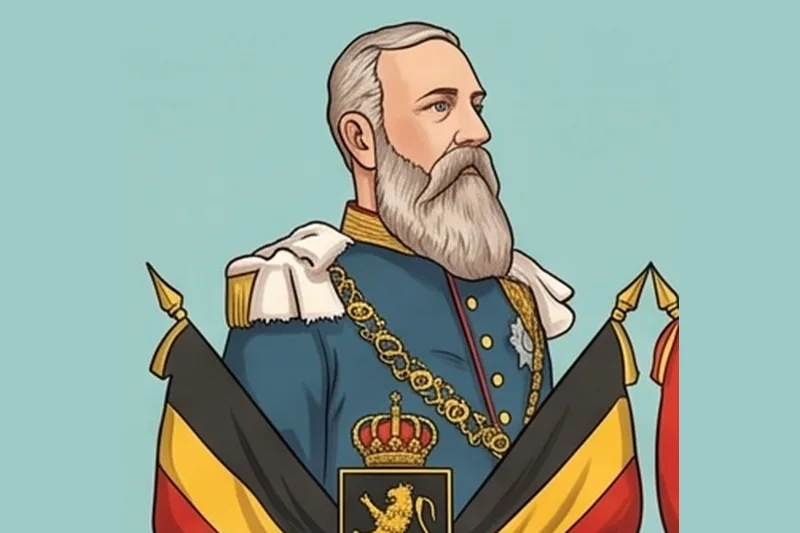
Leopold II, King of the Belgians
1835-1909, king from 1865 until his death: forty-four years, the longest Belgian reign. Known as the "Builder King" for his public works, he was also personal owner of the Congo Free State (1885-1908), whose exploitation claimed a vast number of victims.
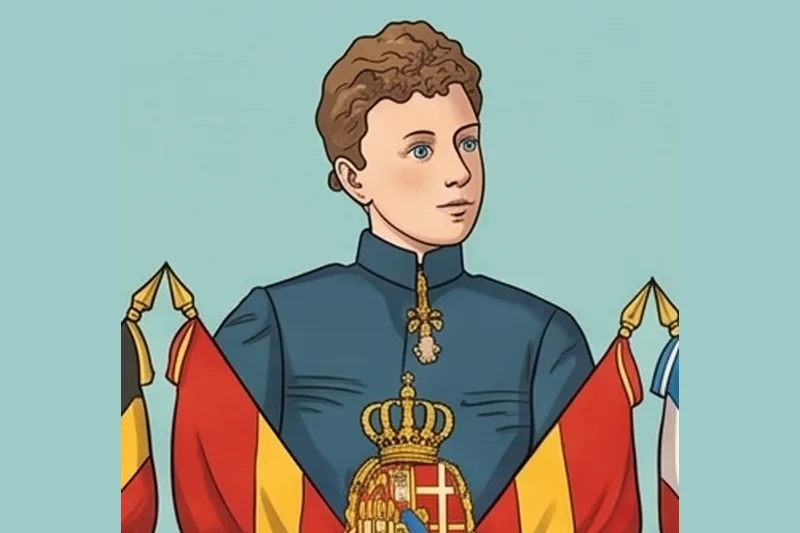
Alfonso XIII, King of Spain
1886-1941, king from birth: his father had died a few months earlier. Hence the boy on the poster, with his mother Maria Christina as regent until 1902. He left Spain when the Republic was proclaimed on 14 April 1931.
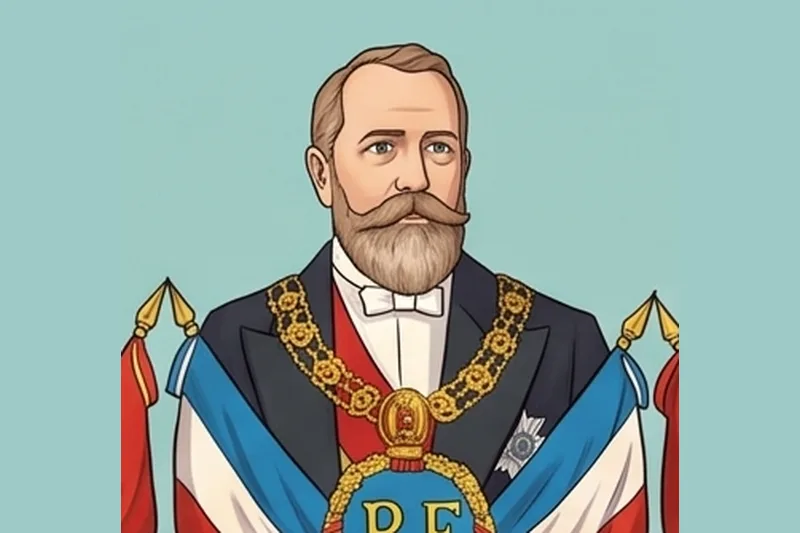
Émile Loubet, President of the French Republic
1838-1929, president from 1899 to 1906, after serving as mayor of Montélimar and briefly as prime minister in 1892. His election in February 1899 helps date the poster: he already appears on it, with the "RF" monogram.
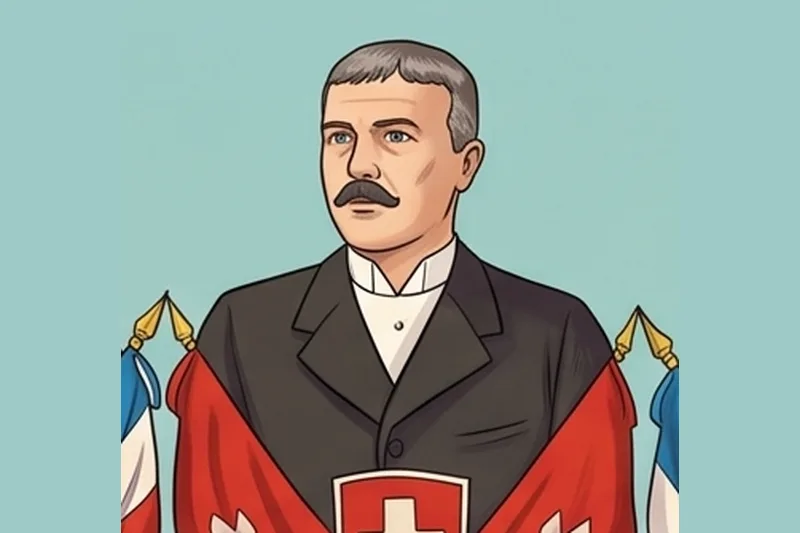
The President of the Swiss Confederation
The only portrait without a name: the poster simply says "President of the Swiss Republic". Switzerland changes president every year, a member of the Federal Council elected for one year. Depending on the year of printing, it is Eduard Müller (1899) or Walter Hauser (1900).
Carlos I, King of Portugal
1863-1908, king from 1889. A keen oceanographer, he led research cruises himself. He was assassinated in Lisbon on 1 February 1908, the only Portuguese king killed this way; the monarchy fell two years later.
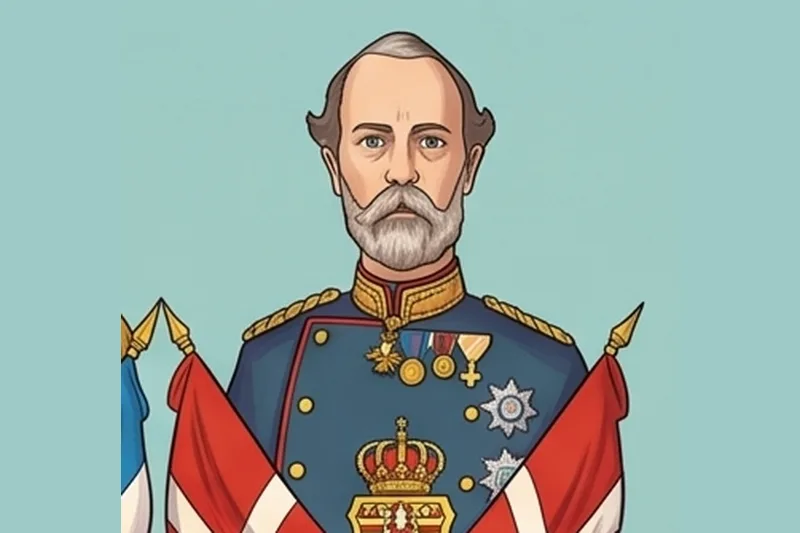
Christian IX, King of Denmark
1818-1906, king from 1863 until his death. He was called the "father-in-law of Europe": his children married into or took the thrones of Britain, Russia and Greece. His grandson Carl became Haakon VII in 1905, first king of independent Norway.
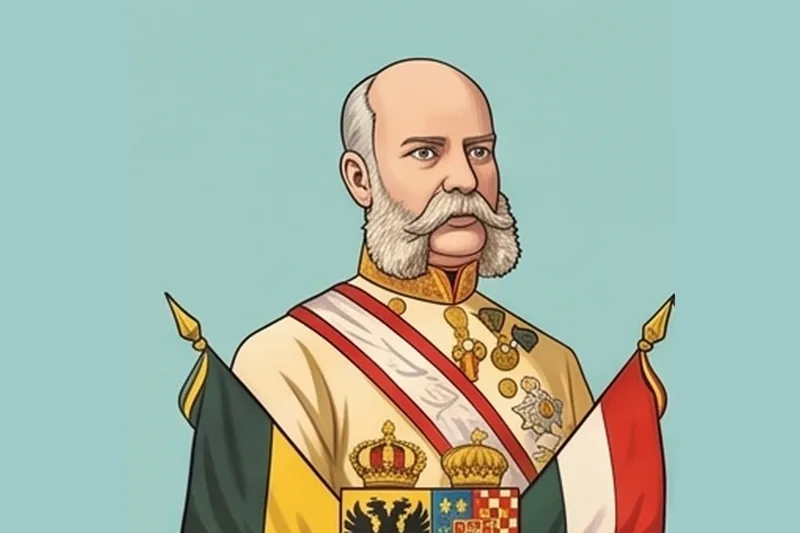
Franz Joseph I, Emperor of Austria and King of Hungary
1830-1916, he took the throne in December 1848, aged eighteen, and held it until his death in the middle of the First World War: sixty-eight years. In 1867 his empire became the dual monarchy of Austria-Hungary.
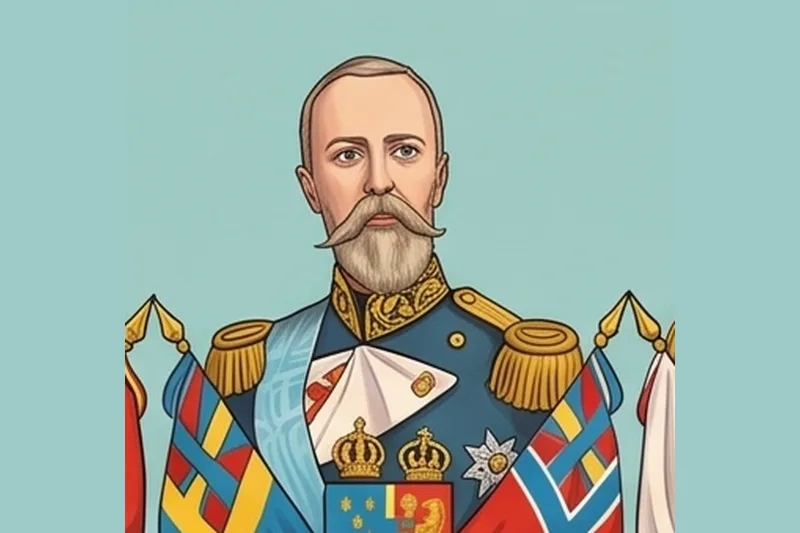
Oscar II, King of Sweden and Norway
1829-1907, King of Sweden from 1872 until his death, and King of Norway from 1872 to 1905. The poster calls him "King of Sweden and Norway": he was the last. On 7 June 1905 the Storting declared the union dissolved; Norway then chose its own king, Haakon VII.
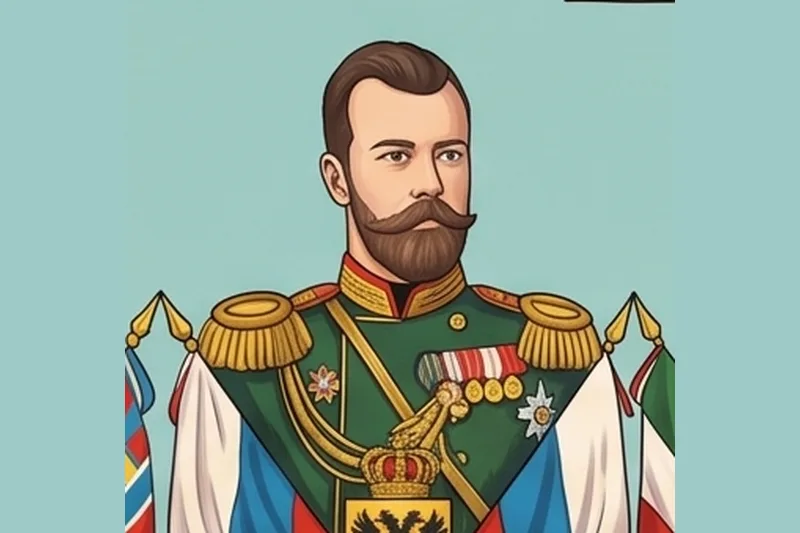
Nicholas II, Emperor of Russia
1868-1918, the last tsar, from 1894 until his abdication in 1917 during the Russian Revolution. After the Russo-Japanese War and the First World War, he and his family were killed by the Bolsheviks on 17 July 1918.
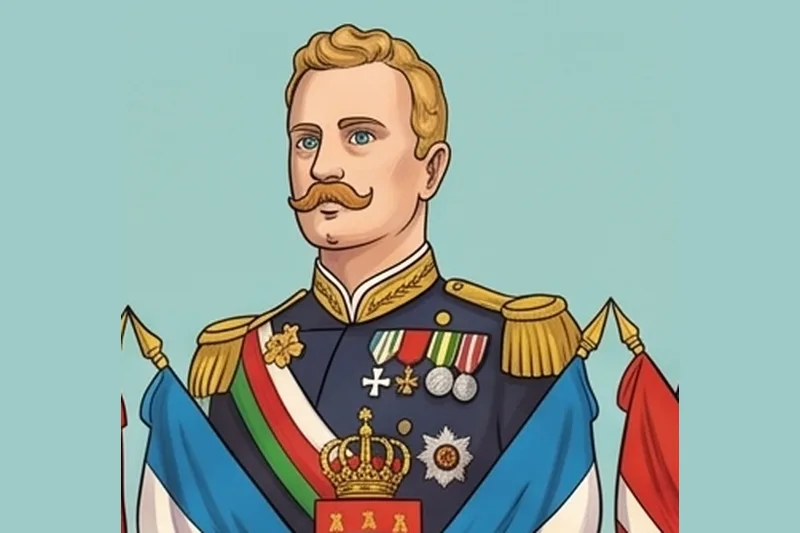
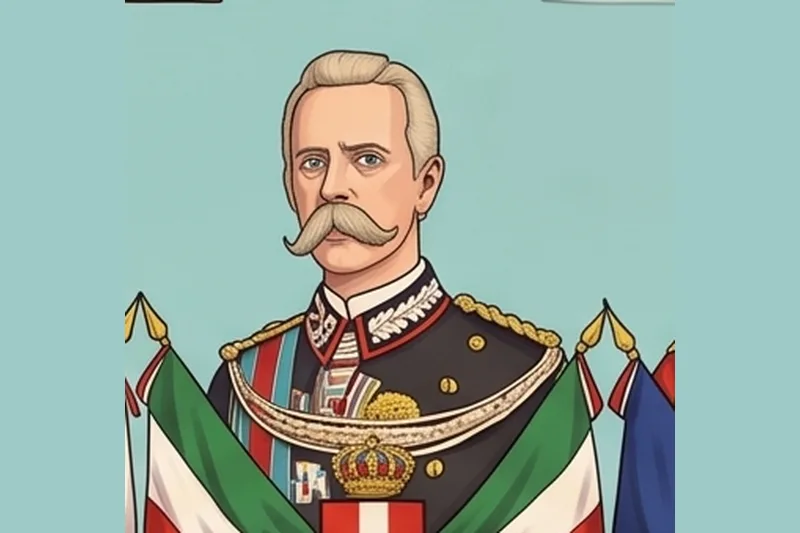
Umberto I, King of Italy
1844-1900, king from 1878 until his assassination at Monza on 29 July 1900. His reign saw the birth of the Italian colonial empire and the Triple Alliance with Germany and Austria-Hungary. He is alive on the poster, so it was printed before summer 1900.
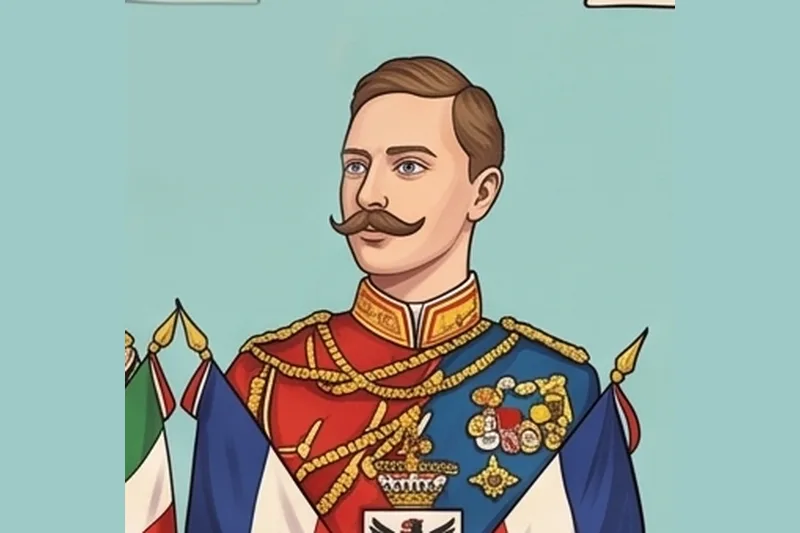
Wilhelm II, German Emperor
1859-1941, the last German Emperor and King of Prussia, from 1888 until his abdication in 1918. The eldest grandchild of Queen Victoria. He was a frequent visitor to the Norwegian coast: after the 1904 fire that destroyed Ålesund, most of the international aid came from Germany, sent in his name.
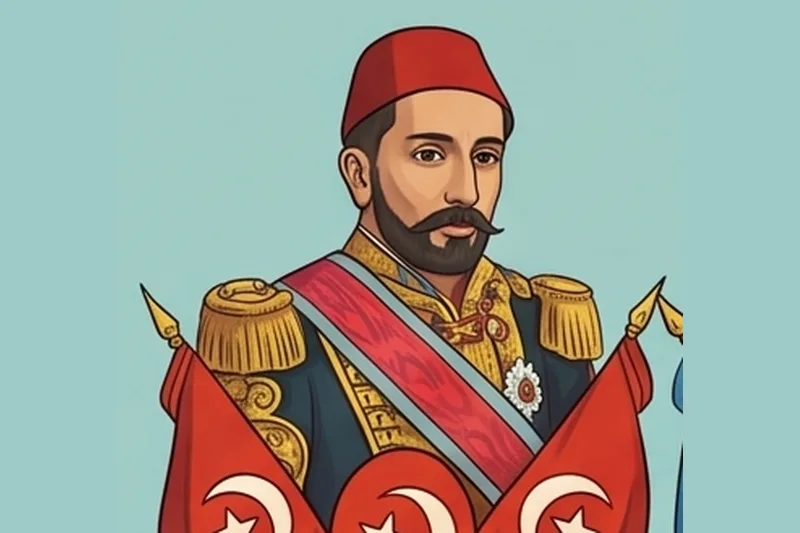
Abdul Hamid II, Sultan of the Ottoman Empire
1842-1918, sultan from 1876 to 1909. He issued the first Ottoman constitution, then ruled alone while the empire lost its Balkan and North African provinces. The Young Turks deposed him in 1909.
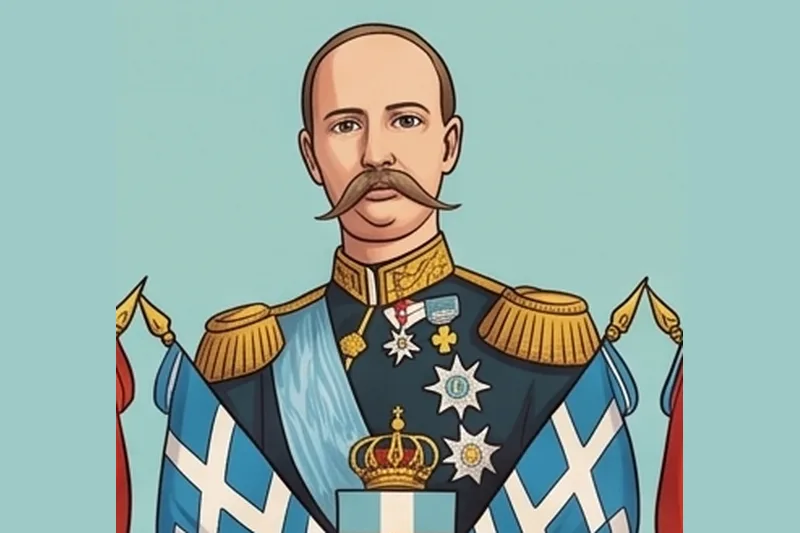
George I, King of the Hellenes
1845-1913, a Danish prince — son of Christian IX — elected king by the Greek Assembly at seventeen. He reigned from 1863 until his assassination in Thessaloniki on 18 March 1913. His family ruled Greece, with breaks, until 1973.
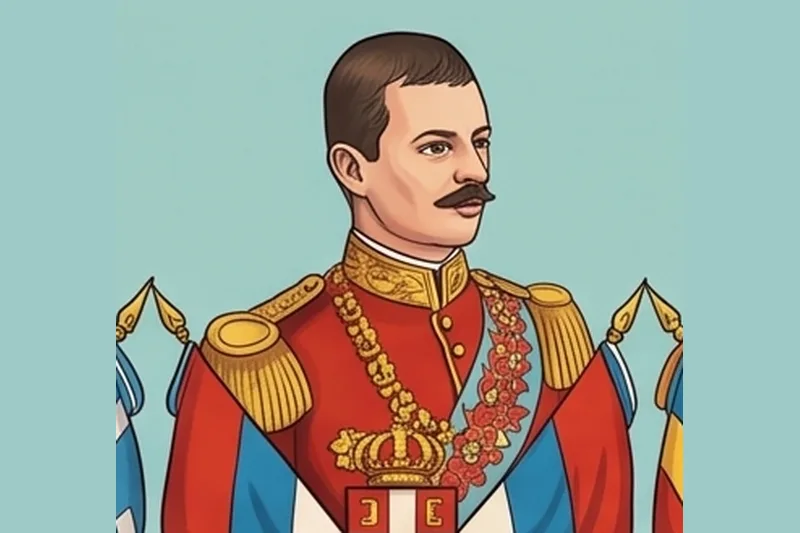
Alexander I, King of Serbia
1876-1903, king from 1889, aged twelve, after his father Milan abdicated. On 11 June 1903, Serbian army officers killed him and his wife Draga in the Belgrade palace, ending the Obrenović dynasty.
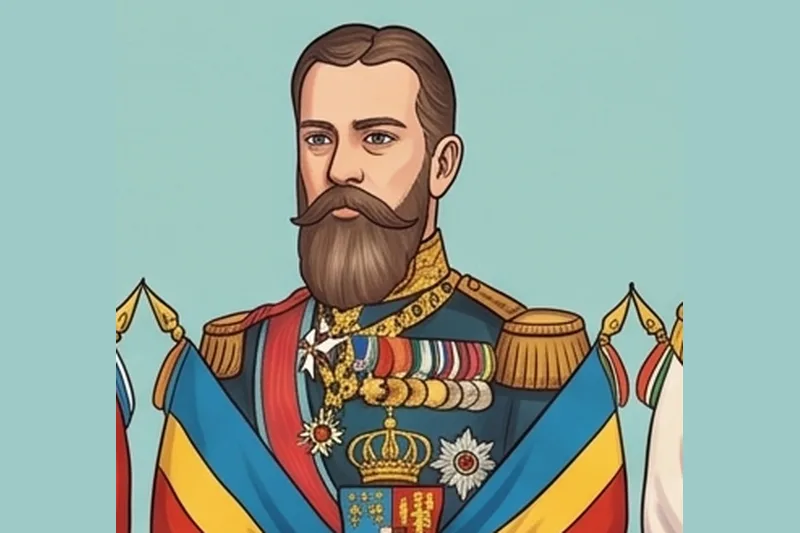
Carol I, King of Romania
1839-1914, a German prince of Hohenzollern-Sigmaringen chosen to rule the United Principalities in 1866. He led Romania to independence (1877-1878) and became its first king in 1881. Romanians call him the "King of Independence".
Ferdinand I, Prince of Bulgaria
1861-1948, Prince of Bulgaria from 1887 — hence the title "Furste" on the poster — then tsar from 1908, when he proclaimed independence from the Ottoman Empire. After defeat in the First World War, he abdicated in 1918.
Nicholas I, Prince of Montenegro
1841-1921, prince from 1860 to 1910, then Montenegro's first and only king until 1918. His daughters married so well that he too was called the "father-in-law of Europe": his grandsons included Alexander I of Yugoslavia and Umberto II of Italy.
"Europas regentinnor": seventeen queens regnant and royal consorts. Three were already dead when it was printed, and the poster says so under their portraits ("afliden").
Marie Henriette, Queen of the Belgians
1836-1902, an Austrian archduchess, wife of Leopold II. An arranged and unhappy marriage: the couple lived apart from 1872. A passionate horsewoman, she retired to Spa in 1895, where she was known as "the Queen of Spa".
Maria Christina, Queen Regent of Spain
1858-1929, an Austrian archduchess, second wife of Alfonso XII. Widowed in November 1885 while expecting their son, she governed Spain as regent until Alfonso XIII came of age in May 1902 — hence her title on the poster.
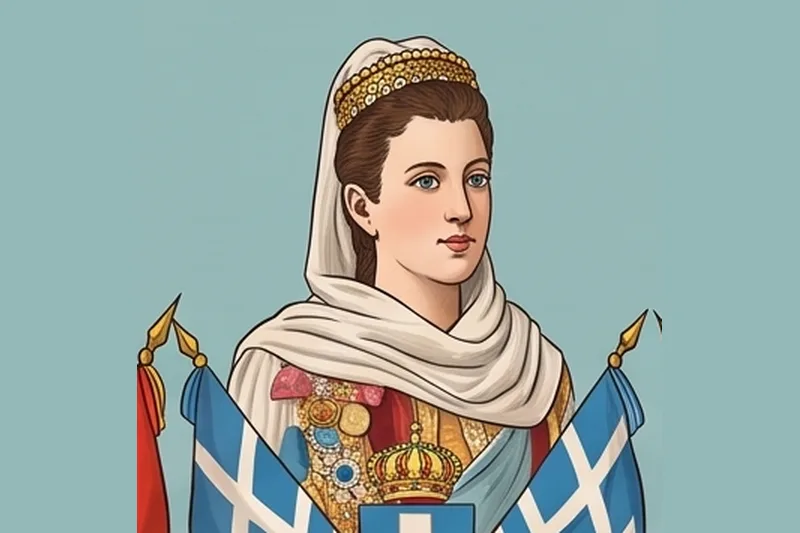
Olga, Queen of the Hellenes
1851-1926, a Russian grand duchess, married at sixteen to George I. Ill at ease in Greece at first, she soon threw herself into social and charitable work. She was briefly regent of the country in 1920.
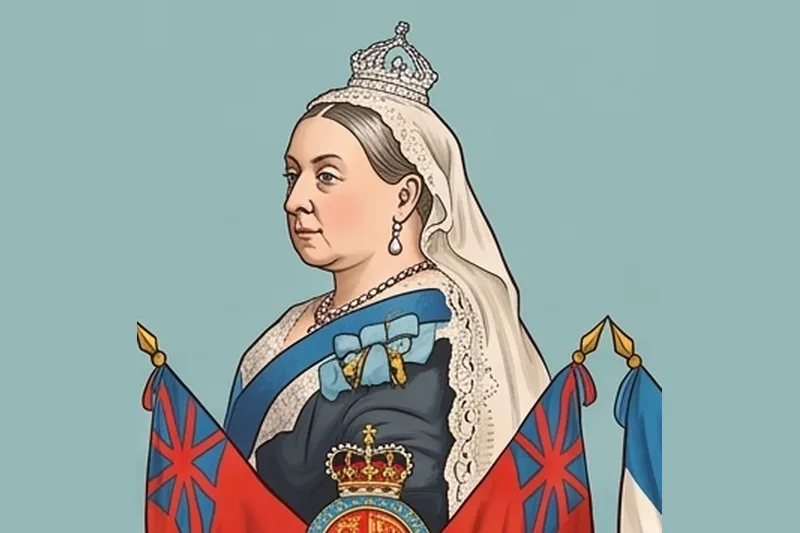
Victoria, Queen of the United Kingdom and Empress of India
1819-1901, queen from 1837 until her death on 22 January 1901: sixty-three years, the reign that gave its name to the "Victorian era". Empress of India from 1876. Through her children she was grandmother to many on the poster, including Wilhelm II and Empress Alexandra.
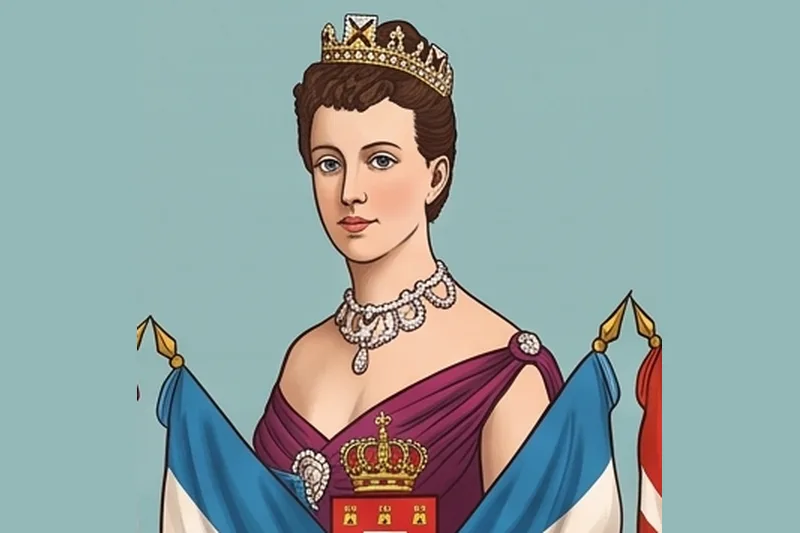
Amélie, Queen of Portugal
1865-1951, a French princess of the House of Orléans, wife of Carlos I and the last Queen of Portugal. She was beside him during the Lisbon attack in 1908 and went into exile after the 1910 revolution, living mostly in France thereafter.
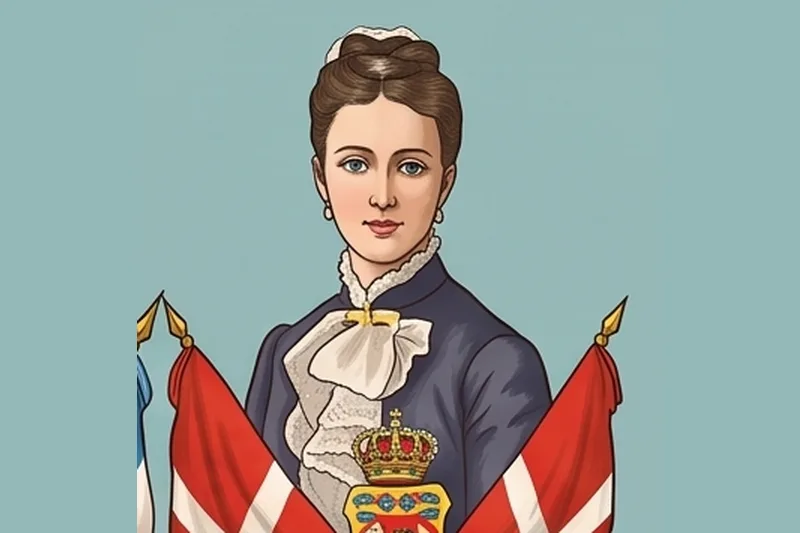
Louise, Queen of Denmark
1817-1898, a princess of Hesse-Kassel, wife of Christian IX. Mother of Frederick VIII of Denmark, Queen Alexandra of the United Kingdom, George I of Greece and Empress Maria Feodorovna of Russia. She died on 29 September 1898: the poster notes her death.
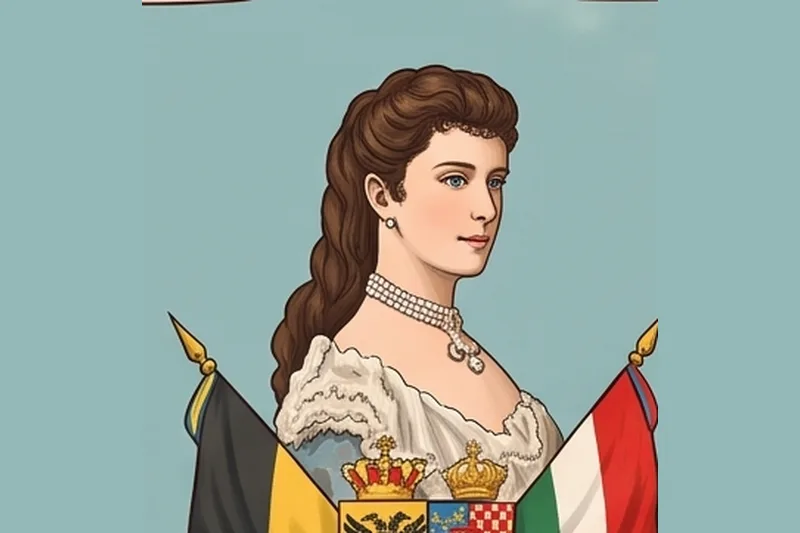
Elisabeth ("Sisi"), Empress of Austria and Queen of Hungary
1837-1898, a Bavarian princess married at sixteen to her cousin Franz Joseph, in 1854. She found the Viennese court's etiquette stifling and travelled constantly. An anarchist stabbed her in Geneva on 10 September 1898; the poster gives the date of her death.
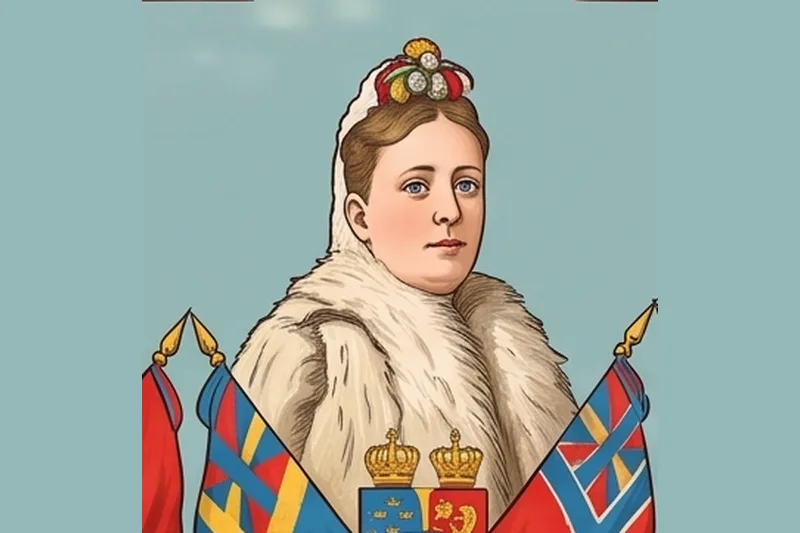
Sophia, Queen of Sweden and Norway
1836-1913, a princess of Nassau, wife of Oscar II. Queen of Sweden for thirty-five years, a record that stood until Queen Silvia in 2011, and Queen of Norway until 1905. Devoted to nursing, she sponsored nurse training and had the Sophiahemmet hospital built in Stockholm (1889).
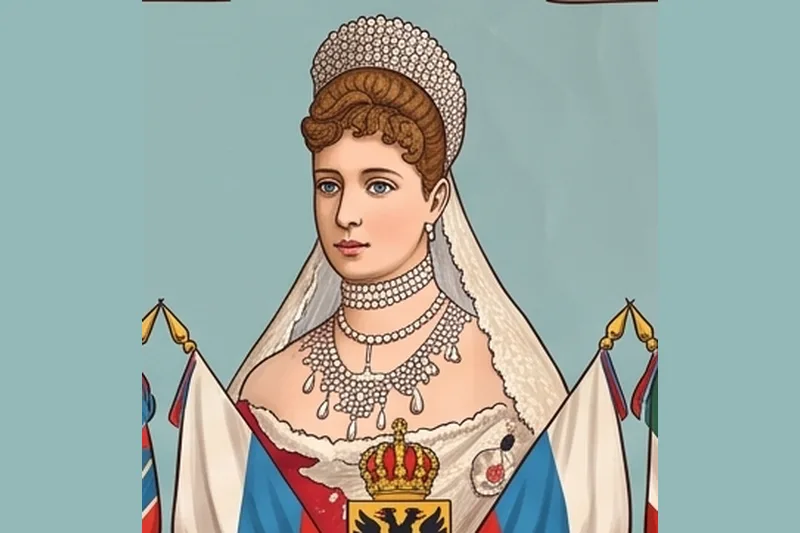
Alexandra Feodorovna, Empress of Russia
1872-1918, born Princess Alix of Hesse, a granddaughter of Queen Victoria. Married Nicholas II in November 1894 and was the last Empress of Russia until the 1917 abdication. She was killed with her husband and their children on 17 July 1918.
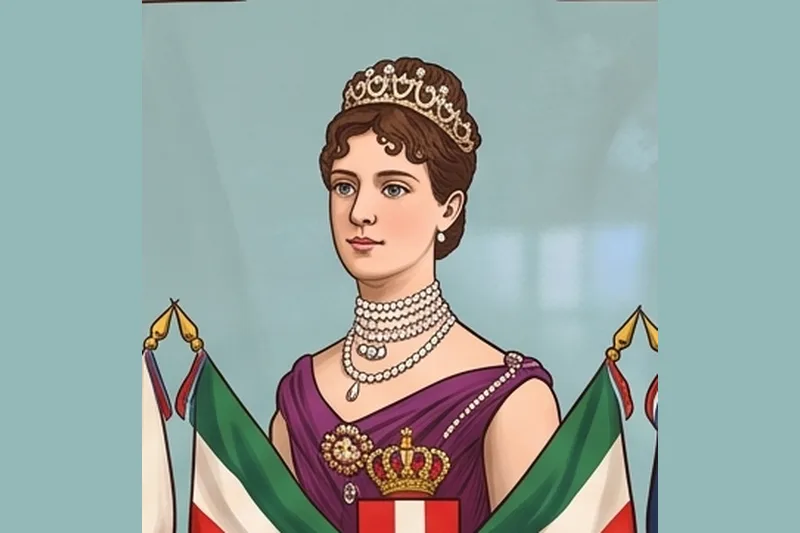
Margherita, Queen of Italy
1851-1926, a princess of Savoy, wife of her cousin Umberto I and mother of Victor Emmanuel III. Pizza Margherita is named after her according to a Neapolitan tradition that historians consider more legend than fact.
Augusta Victoria, German Empress
1858-1921, a princess of Schleswig-Holstein, wife of Wilhelm II: the last German Empress and Queen of Prussia. They had seven children. She followed her husband into exile in the Netherlands after 1918 and died there in 1921.
Emma, Queen Mother of the Netherlands
1858-1934, a princess of Waldeck and Pyrmont, wife of King William III. When he died in 1890 she ruled as regent for their ten-year-old daughter Wilhelmina until 1898; hugely popular, she is "Queen Mother" on the poster.
Wilhelmina, Queen of the Netherlands
1880-1962, queen at ten, in 1890, until her abdication in 1948: nearly fifty-eight years, the longest Dutch reign. During the Second World War she addressed the occupied Netherlands from exile in London.
Natalija, Queen of Serbia
1859-1941, born Keșco into a noble Moldavian family, wife of King Milan I and mother of Alexander I. Queen from 1882 until her husband abdicated in 1889; the poster keeps the title for her. She was said to be one of Europe's most beautiful queens.
Elisabeth, Queen of Romania
1843-1916, a German princess of Wied, wife of Carol I from 1869 and Romania's first queen in 1881. She wrote poems and stories under the pen name Carmen Sylva.
Marie Louise, Princess of Bulgaria
1870-1899, a princess of Bourbon-Parma, wife of Ferdinand I and mother of the future Tsar Boris III. She died at twenty-nine on 31 January 1899. The poster notes her death: it is the latest date on it, placing the printing after February 1899.
Milena, Princess of Montenegro
1847-1923, born Vukotić, wife of Nicholas I and, from 1910, Montenegro's only queen. She governed the country in her husband's absence in 1869 and 1883. Mother of twelve, including Elena, Queen of Italy.